
The Different Types of Skid Steer Grapples: A Practical 2025 Buyer’s Guide for Contractors and Landowners
Content Menu
● What Is a Skid Steer Grapple
● Main Types of Skid Steer Grapples
>> Overview of Popular Grapple Types
● Rock and Root Combination Grapples
● Demolition and Scrap Grapples
● How to Choose the Right Skid Steer Grapple
>> Step 1. Define Your Primary Jobs
>> Step 2. Match Grapple Weight and Size to Your Machine
>> Step 3. Evaluate Design Details That Impact Longevity
● Example Matchups for Different Users
● Fleet Level Attachment Planning
● Frequently Asked Questions About Skid Steer Grapples
>> 1. What is the most versatile skid steer grapple
>> 2. How wide should a skid steer grapple be
>> 3. Is high flow hydraulics required for grapples
>> 4. What tine spacing works best
>> 5. How often should a grapple be serviced
Choosing the right skid steer grapple is the difference between fighting your material and controlling it with confidence. This guide explains each major grapple type, ideal applications, and key selection criteria so you can match the attachment to your work and your machine.
What Is a Skid Steer Grapple
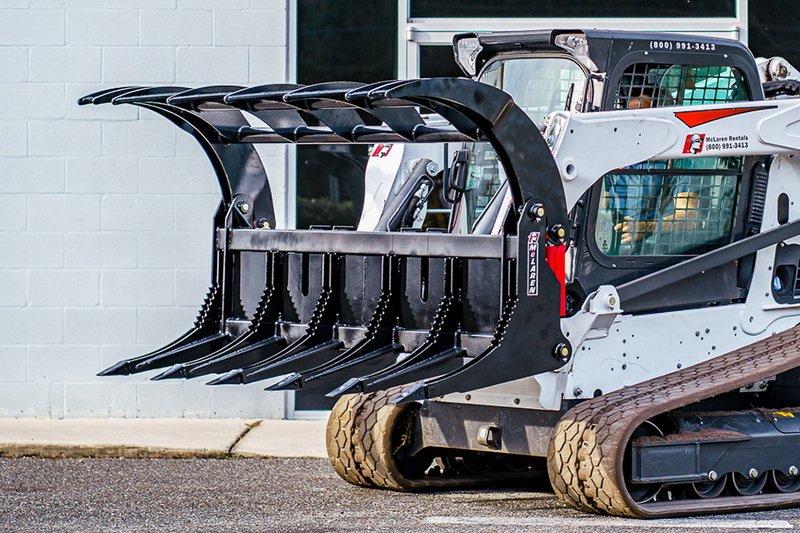
A skid steer grapple is a hydraulic attachment that uses one or more clamping arms to grip, lift, and move irregular, loose, or bulky materials. Unlike a standard bucket, a grapple lets you carry brush, logs, rocks, demolition debris, and scrap securely without losing material on the way.
Typical jobs for skid steer grapples include:
– Land and brush clearing on farms, ranches, and development sites.
– Demolition cleanup and scrap handling for construction and recycling.
– Storm cleanup, tree service work, and landscaping projects.
Main Types of Skid Steer Grapples
Different grapple designs exist because different materials behave very differently. This section gives a quick orientation before diving into specific use cases.
Overview of Popular Grapple Types
Root Grapples
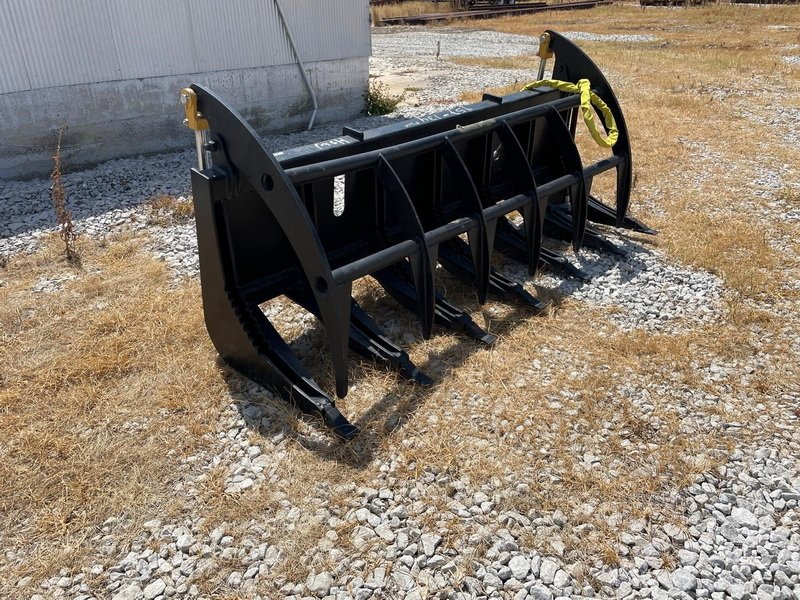
Root grapples are built for aggressive land clearing, root removal, and handling heavy, irregular debris. They typically feature long lower tines and upper jaws powered by hydraulic cylinders to pinch and hold material securely.
Best uses:
– Digging out and pulling roots, stumps, and buried debris.
– Carrying rocks, logs, and brush without excess dirt.
– General purpose clearing when you need a tough, multi role attachment.
Key advantages:
– Open bottom design lets soil and small debris fall out so you move only what you need.
– Strong clamping force and long tines give excellent grip and stability over rough terrain.
Recommended visual: Insert a close up photo of a root grapple showing the lower tines and upper clamp, with labels indicating tine spacing and cylinder protection.
Brush Grapples
A brush grapple is optimized for large volumes of light material such as branches, tree tops, and vegetative debris. Jaw opening tends to be wide so you can grab big, loose piles in a single pass.
Best uses:
– Storm cleanup and tree trimming operations.
– Land clearing where most material is tops, limbs, and brush rather than heavy rocks.
– Moving piles of prunings and slash on farms and estates.
Key advantages:
– High volume handling of light, uneven material for fast site cleanup.
– Less wear compared to using buckets or forks not designed for brush.
Recommended visual: Add an action shot of a brush grapple carrying a large brush pile on a skid steer.
Rock Grapples
Rock grapples use a skeleton or open bottom bucket with close spaced tines to cradle rocks and debris while letting soil fall through. Many designs include serrated cutting edges and reinforced sides to withstand prying and harsh conditions.
Best uses:
– Picking and sorting rocks from fields during site preparation or agriculture.
– Handling broken concrete, rubble, and demolition debris.
– Screening and separating dirt from rocks and waste material.
Key advantages:
– Skeleton bucket layout reduces load weight by dropping soil and fines.
– Strong edge and reinforced tines allow prying and high impact work.
Recommended visual: Include a diagram showing how rocks are retained while soil falls through the bottom tines.
Rock and Root Combination Grapples
Rock and root combination grapples merge the open bottom screening capability of a rock grapple with the aggressive digging and clamping of a root grapple. They often feature serrated edges and refined tine spacing for better efficiency.
Best uses:
– Mixed land clearing where you encounter roots, rocks, logs, and brush together.
– Ranch and farm maintenance, including fence line cleanup and pasture preparation.
– Construction site cleanup with varied debris sizes and densities.
Key advantages:
– Highly versatile and often seen as one of the most adaptable grapple styles for general contractors.
– Sizes commonly range from about 60 to over 90 inches, covering small to large skid steers.
Recommended visual: Add a comparison graphic of a pure rock grapple, a root grapple, and a combo grapple side by side.
Tine and Fork Grapples
Tine grapples and fork grapples use individual, spaced tines on the bottom, sometimes paired with an upper clamp. They excel at handling long, bundled, or palletized loads that need to be clamped rather than scooped.
Best uses:
– Log handling, firewood, and lumber yards.
– Pipe, poles, and irregular bundles that must be secured in transit.
– Farm chores such as moving hay, brush piles, or mixed debris.
Key advantages:
– Excellent reach and visibility when stacking and loading.
– Clamp on top arms keep uneven loads stable over rough ground.
Recommended visual: Insert a short video demonstration or embed suggestion showing fork grapples moving logs and pipe.
Demolition and Scrap Grapples
Demolition and scrap grapples are built with heavy plate steel, reinforced mounts, and protected cylinders to survive the toughest conditions. They may use bucket style bottoms or open tines depending on the material being handled.
Best uses:
– Demolition debris, twisted rebar, and heavy scrap metal.
– Handling concrete chunks, brick, and structural components.
– Recycling and waste transfer operations.
Key advantages:
– High strength construction for repeated impacts and heavy loads.
– Cylinder guards and hose protection that help reduce downtime.
Recommended visual: Include a close up photo highlighting cylinder guards and reinforced grapple arms.
Grapple Buckets
A grapple bucket combines a standard bucket shape with one or more top clamps to grip irregular loads while still carrying loose material. This style is popular as a general purpose solution for mixed tasks.
Best uses:
– Loading and moving loose material with occasional bulky debris.
– General construction and farm use where flexibility matters more than specialization.
– Small to medium contractors who need one attachment that can cover many jobs.
Key advantages:
– Dual purpose design that functions as both a bucket and a grapple.
– Available in light, standard, and severe duty builds for different machine sizes.
Recommended visual: Add a labeled photo showing a grapple bucket holding broken concrete and dirt.
How to Choose the Right Skid Steer Grapple
Picking the best skid steer grapple starts with your job type, then your machine, and then your budget. The wrong match can lead to poor performance or even damage to your equipment.
Step 1. Define Your Primary Jobs
Ask what the grapple will do most of the time.
– For land clearing and forestry, choose a root or root rake style grapple.
– For brush and storm cleanup, choose a brush grapple or light duty root grapple.
– For rocks and demolition, choose a rock grapple or demolition or scrap grapple.
– For mixed farm and construction work, consider a rock and root combo or grapple bucket.
Step 2. Match Grapple Weight and Size to Your Machine
A grapple that is too heavy reduces how much you can safely lift. Always check the skid steer rated operating capacity and compare it to the attachment weight and typical load.
Key considerations:
– Attachment weight and structure should leave enough capacity for real loads.
– Width should match or slightly exceed the width of your machine for stability and coverage.
– Hydraulic requirements must align with your auxiliary hydraulic pressure and flow.
Step 3. Evaluate Design Details That Impact Longevity
Beyond type and size, small design choices strongly influence durability and uptime.
Look for:
– Tine spacing and shape, with narrow spacing for rocks and wider spacing for brush.
– Cylinder rods and protection, such as high quality rod finishes and proper guarding.
– Hose routing and mechanical stops that prevent over travel and accidental damage.
Recommended visual: Add a comparison style chart or diagram highlighting different tine spacings and their typical applications.
Practical Operating Tips
Effective operation protects your machine and boosts productivity in the field. These basic tips help operators work safely and efficiently.
Best practices:
1. Approach the load with low ground speed and moderate engine speed to avoid sudden impacts.
2. Use the grapple like a clamp rather than a ram and let the tines slide around the material.
3. Avoid side loading the tines when prying rocks or stumps to reduce bending risk.
4. Regularly grease pivot points and inspect cylinders, rods, and hoses for leaks or damage.
5. Stay within the rated operating capacity and secure the load before traveling.
Recommended visual: Insert a simple step by step infographic illustrating approach, clamp, lift, and transport.
Maintenance Checklist
Consistent maintenance keeps a grapple dependable during demanding seasons. A basic checklist helps operators remember critical points.
Routine maintenance items:
– Inspect tines and cutting edges for cracks or excessive wear and repair or replace if needed.
– Check hydraulic hoses, fittings, and cylinders for leaks and abrasion.
– Grease all pivot pins according to the operator manual.
– Verify bolts on cylinder mounts, hinges, and couplers remain tight.
– Clean trapped debris from the frame to prevent corrosion and damage.
Recommended visual: Add a simple checklist graphic that operators can capture for daily use.
Example Matchups for Different Users
Choosing a grapple becomes easier when you think in use case profiles. The scenarios below can help match attachment styles to typical jobs.
– Rural landowner clearing overgrown property
– Priority: Brush, small trees, and light debris.
– Recommended: Brush grapple or light duty root grapple.
– Forestry contractor handling logs and storm cleanup
– Priority: Logs, stumps, brush, and occasional rocks.
– Recommended: Root grapple or rock and root combo grapple.
– Concrete and demolition contractor
– Priority: Broken concrete, rebar, brick, and scrap.
– Recommended: Rock grapple, demolition or scrap grapple, or heavy duty grapple bucket.
– Farm and ranch operator
– Priority: Fence line cleanup, logs, rocks, brush, and general chores.
– Recommended: Rock and root combo grapple or grapple bucket for versatility.
Fleet Level Attachment Planning
A coordinated approach at the fleet level helps standardize attachments, reduce training time, and simplify service across different machines. Matching grapples and other work tools to the capabilities of the carriers creates a consistent operating experience for operators.
For global buyers, working with a single partner that understands complete equipment systems can support:
– Consistent hydraulic and mounting standards across different machines.
– Streamlined parts support and after sales assistance for both machines and attachments.
– Easier scaling when expanding from skid steers to other types of equipment.
Recommended visual: A brand neutral illustration showing several machines sharing compatible attachment concepts.
Clear Call to Action
If your projects demand faster land clearing, safer material handling, and better use of skid steer capacity, the right grapple will have a direct impact on productivity. Instead of guessing, define your primary jobs, review your machine capacities, and then build a short list of grapple styles and sizes that match those requirements.
Once you have that list, contact a specialist supplier or equipment manufacturer and request a project specific grapple recommendation and quotation, including load estimates, width guidance, and hydraulic checks. A focused consultation before purchase will help you choose a grapple that supports your current work and keeps pace with future projects.
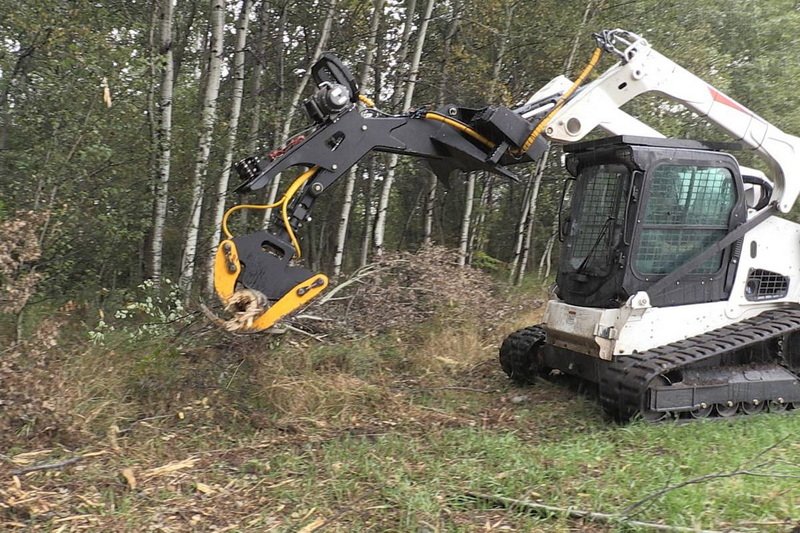
Frequently Asked Questions About Skid Steer Grapples
1. What is the most versatile skid steer grapple
For mixed land clearing, farm work, and general contracting, many operators consider rock and root combination grapples or heavy duty grapple buckets to be the most versatile choices. These designs can handle rocks, roots, brush, and general debris without frequent attachment changes.
2. How wide should a skid steer grapple be
In most cases, a skid steer grapple should be at least as wide as the machine and only slightly wider at most. This width provides good coverage while preserving stability and maneuverability in tight spaces.
3. Is high flow hydraulics required for grapples
Most standard skid steer grapples operate effectively on standard flow hydraulics. Some heavy duty demolition models may benefit from higher flow and pressure, so it is important to compare attachment requirements with the machine specifications.
4. What tine spacing works best
Narrow tine spacing is ideal when handling rocks and keeping smaller debris inside the grapple. Wider spacing suits brush and similar material where the goal is to let dirt and fines fall through to reduce weight and cleanup time.
5. How often should a grapple be serviced
Pivot points should be greased according to the operator manual, often daily or weekly under heavy use. Hoses, fittings, and tines should be checked during every shift so that small issues are addressed before they lead to costly downtime.
Hot Tags:Skid Steer Images, Brush Hog 3 Point Hitch, Brush Removal Tools, Skid Steer Rock Screening Bucket, Grapple Skid Steer, Skid Steer Grapple Bucket, Best Grapple Bucket For Skid Steer, Skid Steer Grapples, Skid Steer Grapple Types, Root Grapple Skid Steer