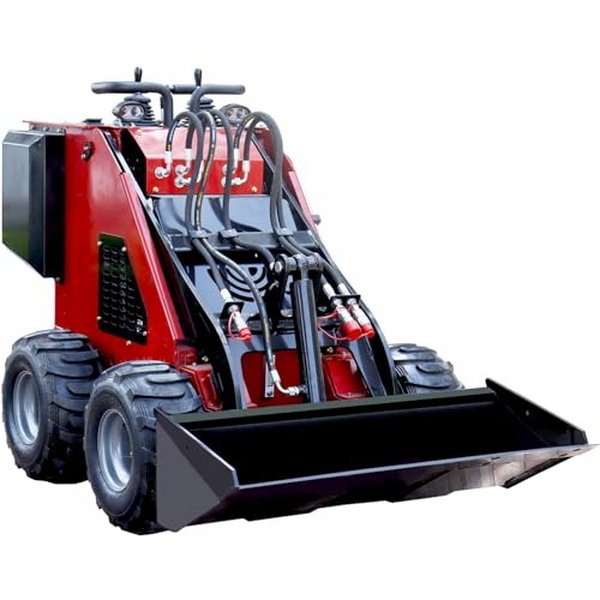

The Complete Guide to Heavy Equipment Attachments: Maximizing ROI Through Strategic Rental Decisions
Content Menu
● Why Renting Construction Equipment Attachments Makes Financial Sense
● Essential Skid Steer and Excavator Attachments for Maximum Versatility
>> Grapple Attachments: Multi-Purpose Material Handling
>> Hydraulic Breakers: Demolition Power
>> Auger Attachments: Precision Drilling Solutions
>> Drum Mulchers and Brushcat Rotary Cutters: Land Clearing Efficiency
>> Stump Grinders: Complete Removal Solutions
>> Soil Conditioners: Foundation Preparation
>> Sweeper Attachments: Industrial Cleaning Power
● Critical Compatibility Factors for Heavy Equipment Attachments
>> Mechanical Compatibility Requirements
>> Hydraulic System Compatibility
>> Weight and Capacity Considerations
● Developing an Attachment Rental Strategy for Your Fleet
>> Project-Based Selection Criteria
>> Seasonal Planning and Advance Reservations
>> Bundling Strategies for Cost Optimization
● Maintenance and Safety Protocols for Rented Attachments
>> Pre-Operation Inspection Standards
>> Operator Training Requirements
>> Maintenance Responsibilities During Rental Periods
● Calculating Return on Investment for Attachment Rentals
>> Productivity Impact Assessment
>> Opportunity Cost Considerations
● Future Trends in Construction Equipment Attachments
>> Technology Integration and Smart Attachments
>> Sustainability and Environmental Considerations
>> Customization and Specialty Applications
● Partnering with Reliable Equipment Providers
>> Evaluating Rental Company Capabilities
>> Negotiating Favorable Rental Terms
● Transform Your Equipment Strategy Today
>> 1. How do I determine if I should rent or purchase heavy equipment attachments?
>> 2. What compatibility factors must I verify before renting an excavator or skid steer attachment?
>> 3. Which attachments deliver the highest ROI for rental businesses?
>> 4. How far in advance should I reserve specialized attachments for upcoming projects?
>> 5. What maintenance responsibilities do renters have during attachment rental periods?
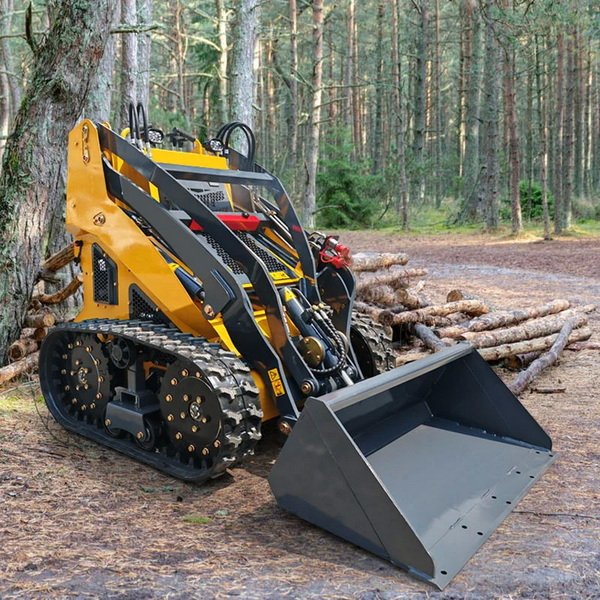
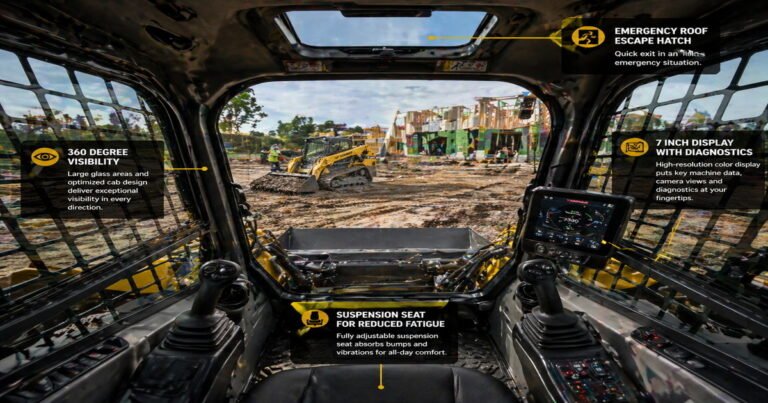
Selecting the right heavy equipment attachments for your excavators, skid steer loaders, and construction machinery can dramatically increase productivity while reducing operational costs. Whether you’re managing a large-scale construction project or maintaining municipal infrastructure, understanding which attachments to rent—and when—directly impacts your bottom line and project efficiency.[1][2][3][4]
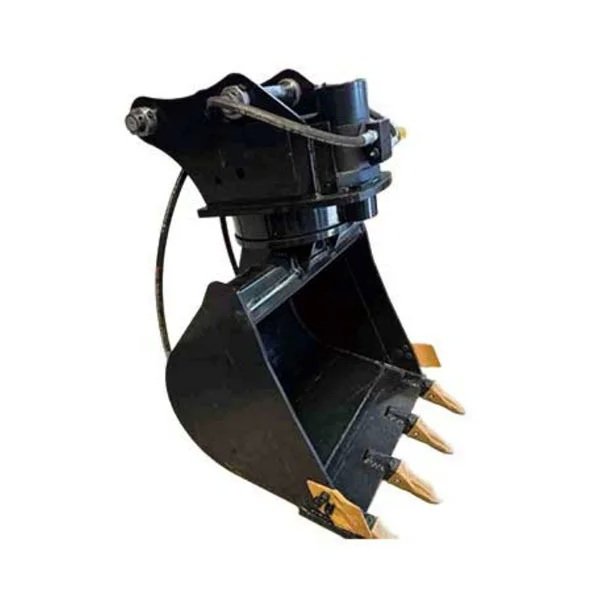
Why Renting Construction Equipment Attachments Makes Financial Sense
The equipment rental market has evolved significantly, with attachment rentals now representing a strategic advantage rather than just a cost-cutting measure. Modern contractors face fluctuating project demands that make owning every specialized tool economically unfeasible.[2][4]
Capital preservation stands as the primary benefit of renting attachments. New skid steers range from $40,000 to $80,000, with specialized attachments adding thousands more to initial investments. By renting, businesses redirect capital toward revenue-generating activities while maintaining access to a complete equipment arsenal.[1][2]
Operational flexibility allows contractors to match equipment precisely to project specifications. A residential landscaping job might require a compact soil conditioner, while commercial site preparation demands heavy-duty breakers and mulchers. Rental agreements provide this adaptability without the burden of maintaining underutilized assets.[4][5][2]
Risk transfer eliminates concerns about depreciation, technological obsolescence, and major repair costs. Rental companies absorb maintenance responsibilities and provide replacement units during downtime, ensuring project continuity.[2][1]
Essential Skid Steer and Excavator Attachments for Maximum Versatility
Grapple Attachments: Multi-Purpose Material Handling
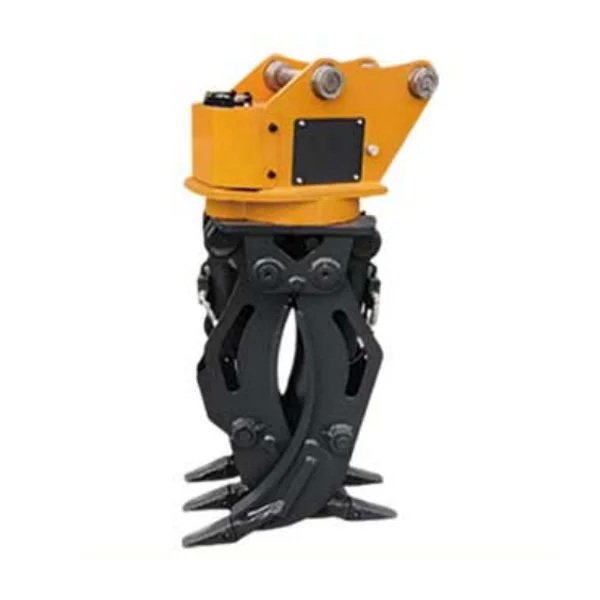
Grapple attachments transform skid steers and excavators into precision material handlers capable of securing irregular objects and bulky loads. Three primary grapple types serve distinct applications:[5]
– Industrial grapples excel at construction debris removal and steel beam positioning
– Root grapples penetrate soil to extract stumps and root systems efficiently
– Utility grapples offer balanced functionality for landscaping and grounds maintenance projects
The versatility of grapple attachments makes them high-ROI rental choices for contractors who handle diverse materials across multiple job sites.[5][1]
Hydraulic Breakers: Demolition Power
Hydraulic breakers and nitrogen breakers convert loaders and excavators into demolition specialists. These attachments deliver concentrated impact force to fracture concrete, asphalt, and rock formations faster than manual methods.[6][5]
Compatibility considerations are critical—hydraulic flow rate and pressure must align with attachment specifications to prevent equipment damage. Most modern excavators provide 15-35 GPM (gallons per minute) hydraulic flow, with breakers requiring specific pressure ranges between 2,000-3,500 PSI.[7][6]
Rental advantages for breakers include access to appropriate sizes for specific demolition tasks without investing in multiple units, plus elimination of specialized maintenance costs associated with high-impact tools.[1][5]
Auger Attachments: Precision Drilling Solutions
Auger attachments enable rapid, accurate hole drilling in diverse soil conditions, including hard, rocky terrain. Available in diameters from 6 to 48 inches, augers accommodate applications ranging from fence post installation to large-diameter pier construction.[5]
Key applications include:
– Foundation work: Pier drilling for building supports
– Landscaping projects: Tree planting and irrigation system installation
– Agricultural operations: Post hole drilling for fencing systems
– Utility installation: Pole setting for electrical and telecommunications infrastructure
The seasonal nature of many augering projects makes rental more cost-effective than ownership for contractors who perform drilling tasks intermittently.[1][5]
Drum Mulchers and Brushcat Rotary Cutters: Land Clearing Efficiency
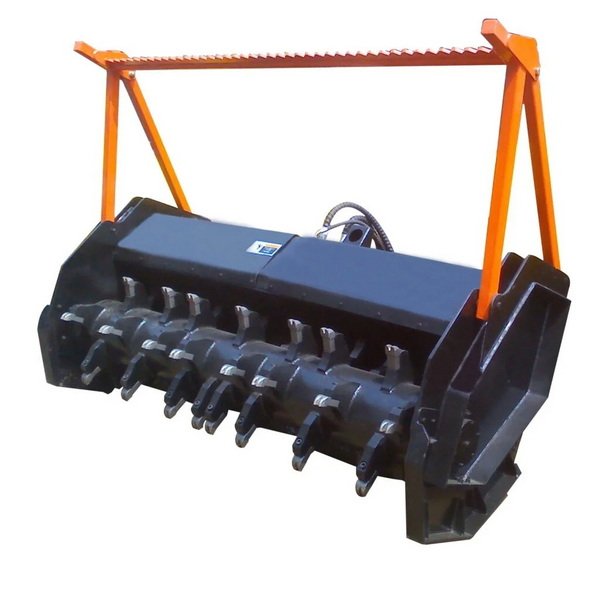
Drum mulchers provide two-in-one functionality, simultaneously felling small trees and brush while converting debris into mulch. This eliminates the need for separate cutting and chipping operations, reducing project timelines by up to 40% compared to traditional clearing methods.[3][5]
Brushcat rotary cutters specialize in vegetation management, cutting through grass, brush, and trees up to 3 inches in diameter. With cutting widths from 66 to 80 inches, these attachments maintain consistent 3-inch cutting heights even on sloped terrain.[5]
Ideal rental scenarios include:
– Seasonal land clearing performed once or twice annually
– Selective thinning operations in wooded areas
– Municipal grounds maintenance during peak growing seasons
– Agricultural field preparation before planting cycles
Rental agreements for land clearing attachments deliver maximum value for infrequent users who would otherwise face significant capital tied up in specialized equipment.[1][5]
Stump Grinders: Complete Removal Solutions
Stump grinder attachments mount directly to loader fronts, providing exceptional maneuverability in confined spaces. This configuration enables precise positioning over stumps in tight residential yards, urban landscaping projects, and forested areas with limited access.[5]
Target users include:
– Homeowners managing acreage properties
– Municipal grounds maintenance crews
– Landscaping contractors handling tree removal projects
– Parks and recreation departments maintaining public spaces
The specialized nature of stump grinding makes rental economically superior to ownership for contractors who encounter this task occasionally rather than daily.[1][5]
Soil Conditioners: Foundation Preparation
Soil conditioner attachments feature carbide-tipped teeth that pulverize compacted earth, break apart soil clumps, and create ideal planting beds. These tools simultaneously level terrain and fill depressions while pushing rocks and debris to site perimeters for easy removal.[5]
Applications span multiple industries:
– Landscaping: Seedbed preparation and sod installation
– Agriculture: Field conditioning before planting
– Construction: Site grading and foundation preparation
– Restoration projects: Erosion control and revegetation efforts
Soil conditioners represent excellent rental investments for contractors who prepare surfaces seasonally or project-specifically.[1][5]
Sweeper Attachments: Industrial Cleaning Power
Sweeper attachments eliminate debris and caked materials from roads, parking lots, construction sites, and industrial facilities. These tools outperform manual cleaning methods by factors of 10-20x in productivity while delivering superior surface preparation.[3][5]
Common applications include:
– Post-construction site cleanup
– Municipal road maintenance and debris removal
– Industrial facility housekeeping
– Parking lot maintenance and seasonal cleaning
The intermittent nature of large-scale sweeping projects makes rental the preferred acquisition method for most contractors.[5][1]
Critical Compatibility Factors for Heavy Equipment Attachments
Mechanical Compatibility Requirements
Pin diameter and center-to-center spacing represent the foundational mechanical compatibility factors. Excavator arms and skid steer quick-attach systems feature standardized pin configurations, but variations exist across manufacturers and model years.[6][7]
Essential measurements include:
– Pin diameter (typically 1-2 inches for skid steers, 1.5-3.5 inches for excavators)
– Center-to-center pin spacing
– Link geometry and bucket linkage angles
– Quick coupler interface dimensions (if applicable)
Mismatched mechanical interfaces create safety hazards, accelerate component wear, and reduce operational efficiency. Always consult equipment specification plates and attachment compatibility charts before rental commitments.[7][6]
Hydraulic System Compatibility
Hydraulic flow rate (measured in GPM or liters per minute) and system pressure (measured in PSI or bar) must align with attachment requirements. Insufficient flow rates result in sluggish attachment performance, while excessive pressure risks seal failures and hydraulic line ruptures.[6][7]
Compatibility checklist includes:
– Auxiliary hydraulic flow capacity (standard vs. high-flow systems)
– Maximum operating pressure ratings
– Hydraulic coupler types and quick-disconnect compatibility
– Flow-sharing vs. flow-sensing hydraulic architectures
Modern skid steers typically provide standard flow (10-18 GPM) or high-flow (25-40 GPM) hydraulic systems. Attachments like mulchers, cold planers, and large augers require high-flow systems for optimal performance.[7][1]
Weight and Capacity Considerations
Rated Operating Capacity (ROC) defines the maximum load an excavator or skid steer can safely lift. Exceeding ROC creates tipping hazards and accelerates structural component fatigue.[6][7]
Weight assessment factors include:
– Attachment weight without material
– Anticipated material load during operation
– Working reach and load positioning
– Machine counterweight and stability configuration
As a safety guideline, operators should maintain attachment and material loads at 50-75% of rated capacity during typical operations. This margin accommodates dynamic forces, uneven terrain, and operational variations.[8][6]
Developing an Attachment Rental Strategy for Your Fleet
Project-Based Selection Criteria
Matching attachments to specific project requirements maximizes efficiency and cost-effectiveness. Comprehensive project analysis should evaluate:[9][6]
– Task requirements: Digging, breaking, cutting, lifting, or material handling
– Material characteristics: Soil type, rock hardness, vegetation density, or debris composition
– Site conditions: Access constraints, terrain variations, and environmental factors
– Timeline demands: Project duration and productivity targets
– Budget parameters: Rental costs versus productivity gains
This systematic approach prevents over-specification (renting expensive attachments with unnecessary capabilities) and under-specification (selecting inadequate tools that extend project timelines).[9][6]
Seasonal Planning and Advance Reservations
Attachment availability fluctuates with seasonal demand patterns. Land clearing attachments experience peak demand during spring and fall, while snow removal tools dominate winter rental requests.[10][5]
Strategic reservation practices include:
– Booking attachments 2-4 weeks before project commencement
– Establishing relationships with multiple rental providers for backup options
– Negotiating volume discounts for extended rental periods
– Scheduling preventive maintenance windows between rental periods
Contractors who reserve attachments early secure preferred equipment and potentially negotiate better rates during off-peak periods.[1][5]
Bundling Strategies for Cost Optimization
Package rentals combining base equipment with attachments deliver superior value compared to separate transactions. Many rental companies offer skid steer + attachment bundles that reduce total costs by 15-25% versus individual rentals.[1]
Bundling advantages include:
– Pre-verified compatibility between base equipment and attachments
– Simplified logistics with single-source delivery and pickup
– Consolidated maintenance and support
– Increased negotiating leverage for longer rental periods
Rental operators report that bundled offerings increase average transaction values while improving customer satisfaction through reduced complexity.[3][1]
Maintenance and Safety Protocols for Rented Attachments
Pre-Operation Inspection Standards
Daily pre-operation inspections identify potential issues before they escalate into safety hazards or operational failures. Standard inspection protocols include:[6]
– Hydraulic system checks: Inspect lines for leaks, abrasions, or kinks; verify secure coupler connections
– Mechanical component assessment: Examine pins, bushings, and wear surfaces for damage or excessive play
– Structural integrity evaluation: Check for cracks, deformation, or loose fasteners
– Safety device verification: Test locking mechanisms, guards, and emergency shutdown functions
Documenting inspection results creates accountability records and helps identify recurring issues that rental providers should address.[7][6]
Operator Training Requirements
Attachment-specific training significantly reduces accident rates and equipment damage. Even experienced operators require familiarization with unfamiliar attachments.[7][1]
Essential training components include:
– Proper attachment/detachment procedures
– Hydraulic system connection sequences
– Load capacity limitations and stability principles
– Emergency shutdown protocols
– Maintenance and lubrication requirements
Rental companies increasingly provide operator orientation services as value-added benefits that improve equipment utilization and reduce damage claims.[6][1]
Maintenance Responsibilities During Rental Periods
Understanding maintenance obligations prevents disputes and ensures optimal attachment performance. Standard rental agreements typically allocate responsibilities as follows:[6]
Renter responsibilities:
– Daily lubrication of grease points
– Routine cleaning to prevent material buildup
– Proper storage protection from weather elements
– Minor adjustments within normal operating parameters
Rental company responsibilities:
– Major mechanical repairs
– Hydraulic system servicing
– Wear component replacement (when beyond normal use)
– Emergency breakdown response
Clear communication about maintenance expectations at rental initiation prevents misunderstandings and promotes equipment longevity.[6][1]
Calculating Return on Investment for Attachment Rentals
Cost Comparison Framework
Comprehensive ROI analysis extends beyond simple rental rate comparisons. Complete cost modeling should incorporate:[2][1]
Ownership costs (for comparison):
– Initial purchase price and financing costs
– Annual depreciation (typically 15-20% for attachments)
– Insurance premiums and property taxes
– Storage facility expenses
– Maintenance and repair costs (averaging 8-12% of purchase price annually)
– Transportation and logistics expenses
Rental costs:
– Daily, weekly, or monthly rental rates
– Delivery and pickup fees
– Damage waiver insurance (optional)
– Fuel and consumables (if applicable)
Industry data indicates that equipment used less than 60-70% of available time typically costs less to rent than own.[4][2]
Productivity Impact Assessment
Attachment selection directly influences project completion timelines. The right tool can reduce labor hours by 30-50% compared to manual methods or suboptimal attachments.[3][1]
Quantifying productivity gains:
– Calculate labor hour savings with specialized attachments
– Assess project timeline compression and associated overhead reductions
– Evaluate quality improvements reducing rework requirements
– Measure enhanced capabilities enabling higher-value project acceptance
A $500/day attachment rental that reduces a 10-day project to 7 days generates net savings exceeding $3,000 when accounting for labor costs ($200/hour × 8 hours × 3 days = $4,800 labor savings minus $1,500 rental extension).[2][3]
Opportunity Cost Considerations
Capital allocation decisions involve opportunity costs beyond immediate project needs. Money invested in purchasing attachments becomes unavailable for:[2]
– Fleet expansion with additional base equipment units
– Marketing initiatives generating new project opportunities
– Working capital reserves for business stability
– Technology investments improving operational efficiency
Strategic rental programs preserve capital flexibility while maintaining competitive capabilities.[4][2]
Future Trends in Construction Equipment Attachments
Technology Integration and Smart Attachments
Telematics-enabled attachments provide real-time performance data, maintenance alerts, and utilization tracking. These smart tools enable rental companies and customers to:[1]
– Monitor attachment usage patterns and optimize fleet allocation
– Predict maintenance needs before failures occur
– Verify proper operating parameters and prevent misuse
– Generate detailed productivity reports for project costing
The attachment rental market is projected to grow 8-12% annually through 2035, driven partly by technology integration that enhances value propositions.[10]
Sustainability and Environmental Considerations
Emissions reduction and fuel efficiency increasingly influence equipment purchasing and rental decisions. Attachment manufacturers are developing:[11]
– Lighter-weight designs reducing fuel consumption
– Electric and hybrid-powered hydraulic attachments
– Recyclable materials and sustainable manufacturing processes
– Extended service life components minimizing replacement frequency
Contractors focused on sustainability credentials find rental programs attractive for accessing the latest environmentally-conscious equipment without long-term ownership commitments.[10][4]
Customization and Specialty Applications
Application-specific attachments continue proliferating as contractors seek competitive differentiation. Emerging specialty tools include:[12]
– Precision grading attachments with laser-guided control systems
– Vacuum excavation tools for utility location and sensitive digging
– Concrete recycling crushers for on-site material reprocessing
– Specialized grapples for solar panel installation and maintenance
Rental markets provide cost-effective access to niche attachments that would be financially prohibitive to own for occasional use.[10][1]
Partnering with Reliable Equipment Providers
Evaluating Rental Company Capabilities
Selecting the right rental partner impacts project success as significantly as choosing appropriate attachments. Critical evaluation criteria include:[6]
– Fleet diversity: Comprehensive attachment selection spanning multiple categories and sizes
– Maintenance standards: Documented preventive maintenance programs and equipment condition records
– Technical support: Knowledgeable staff capable of providing compatibility guidance and operational advice
– Logistics capabilities: Reliable delivery/pickup services meeting project timelines
– Emergency response: After-hours support and rapid replacement equipment availability
Established rental relationships yield preferential access during high-demand periods and opportunities for customized pricing structures.[5][1]
Negotiating Favorable Rental Terms
Strategic negotiation secures advantageous rental agreements beyond standard rate cards. Effective negotiation approaches include:[1]
– Volume commitments: Multi-attachment or extended-duration agreements qualifying for discount tiers
– Flexible scheduling: Off-peak timing potentially reducing rates by 20-30%
– Damage waiver assessment: Evaluating insurance costs versus self-insured risk retention
– Service bundling: Combining delivery, operator training, and maintenance services
Contractors with consistent rental volume typically negotiate framework agreements establishing preferred rates and priority allocation.[4][1]
Transform Your Equipment Strategy Today
The construction and heavy equipment landscape demands strategic flexibility and financial discipline. Attachment rentals provide the operational versatility to accept diverse projects while preserving capital for growth initiatives.[4][2][1]
Begin optimizing your attachment strategy by auditing your current equipment utilization patterns. Identify attachments used less than 60% of available time as immediate rental conversion candidates. Establish relationships with 2-3 quality rental providers to ensure backup options during peak demand periods.[2][5]
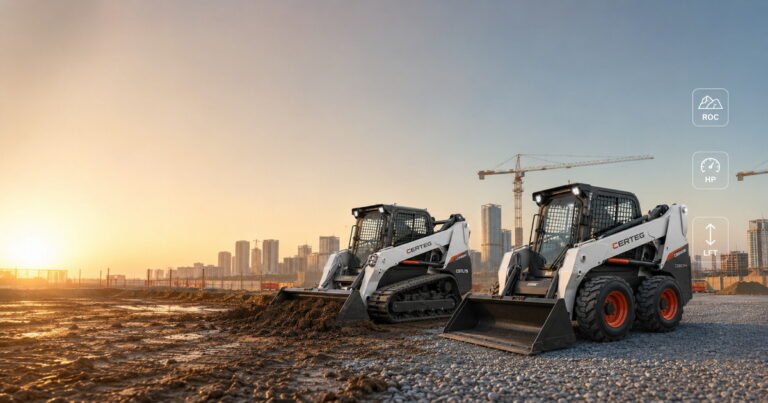
Contact Certeg today to discuss how our comprehensive range of excavators, skid steer loaders, rollers, forklifts, tractors, and tracked carriers can serve as the foundation for your attachment-based productivity strategy. Our global distribution network ensures that whether you’re purchasing base equipment or optimizing your attachment rental approach, you have access to the machinery that matches your power requirements and project demands.
Ready to maximize your equipment ROI? Request a consultation with our equipment specialists to evaluate your specific project needs and develop a customized attachment strategy that balances ownership and rental for optimal financial performance. Our team stands ready to help you make data-driven decisions that reduce costs, increase productivity, and position your business for sustainable growth.
Don’t let outdated equipment strategies limit your project capabilities. Reach out to Certeg now and discover how the right combination of owned machinery and strategic attachment rentals can transform your operational efficiency and competitive positioning in today’s dynamic construction market.
Frequently Asked Questions
1. How do I determine if I should rent or purchase heavy equipment attachments?
Rental makes financial sense when attachment utilization falls below 60-70% of available time. Calculate total ownership costs including purchase price, annual depreciation (15-20%), maintenance (8-12% annually), storage, insurance, and transportation against rental expenses. Attachments used seasonally or for specialized projects typically cost less to rent, while daily-use tools may justify ownership after 12-18 months of continuous deployment.[4][2][1]
2. What compatibility factors must I verify before renting an excavator or skid steer attachment?
Three critical compatibility areas require verification: mechanical interface (pin diameter, center-to-center spacing, and quick coupler configuration), hydraulic system (flow rate in GPM, operating pressure in PSI, and coupler type), and weight capacity (attachment weight versus Rated Operating Capacity). Always consult your equipment specification plate and request compatibility charts from rental providers before committing to attachments. Mismatched specifications create safety hazards and accelerate equipment wear.[8][7][6]
3. Which attachments deliver the highest ROI for rental businesses?
High-flow attachments like mulchers, planers, and large augers generate superior rental returns due to specialized capabilities and premium daily rates. Grapples, breakers, and soil conditioners also deliver strong ROI through broad application versatility and consistent demand across construction, landscaping, and municipal sectors. Rental companies maximize profitability by offering bundled packages (base equipment + attachment) that increase transaction values while simplifying customer decision-making.[3][5][1]
4. How far in advance should I reserve specialized attachments for upcoming projects?
Reserve attachments 2-4 weeks before project commencement, particularly for specialized tools like drum mulchers, stump grinders, and large-diameter augers that rental fleets stock in limited quantities. Seasonal demand patterns affect availability—land clearing attachments experience peak demand during spring and fall, while cold weather tools dominate winter reservations. Early booking provides equipment selection advantages and potential off-peak pricing discounts.[10][5][1]
5. What maintenance responsibilities do renters have during attachment rental periods?
Renters typically handle daily operational maintenance including lubrication of grease points, routine cleaning to prevent material buildup, proper storage protection from weather, and minor operational adjustments. Rental companies retain responsibility for major mechanical repairs, hydraulic system servicing, wear component replacement beyond normal use, and emergency breakdown response. Conducting thorough pre-operation inspections daily helps identify issues before they escalate, documenting attachment condition and preventing disputes over damage responsibility.[7][6][1]
Citations:
[1] https://skidpro.com/how-rental-companies-leverage-high-roi-attachments-for-better-profits/
[2] https://dailybusinessvoice.com/the-hidden-roi-of-choosing-skid-steer-rental-for-business-projects/
[3] https://quipli.com/resources/the-most-rented-pieces-of-construction-equipment/
[4] https://www.fieldex.com/en/blog/skid-steer-loader-rental-costs-across-continents-a-comprehensive-guide
[5] https://www.bobcat.com/na/en/buying-resources/attachments/best-bobcat-attachments-to-rent
[6] https://hammerhire.com.au/a-contractors-guide-to-choosing-the-perfect-attachments/
[7] https://www.hksparkling.com/excavator-attachment-types-compatibility-guide.html
[8] https://hawkexcavator.com/excavator-attachments-an-essential-guide/
[9] https://dozr.com/blog/picking-the-right-equipment-and-attachments-for-the-job
[10] https://blog.factmr.com/skid-steer-rental-market-outlook-2025-2035-innovation-growth-and-demand-trends/
[11] https://wwcm.com.au/skid-steer-loader-benefits/
[12] https://www.masterhitch.co.uk/blog/construction-attachment-guide/
Hot Tags:Best Attachments To Rent, Construction Attachments Rental, Equipment Attachments For Rent, Heavy Equipment Attachments, Skid Steer Attachments Rental, Excavator Attachments Rental, Compact Equipment Attachments, Popular Rental Attachments, Industrial Attachments Rental, Work Tool Attachments