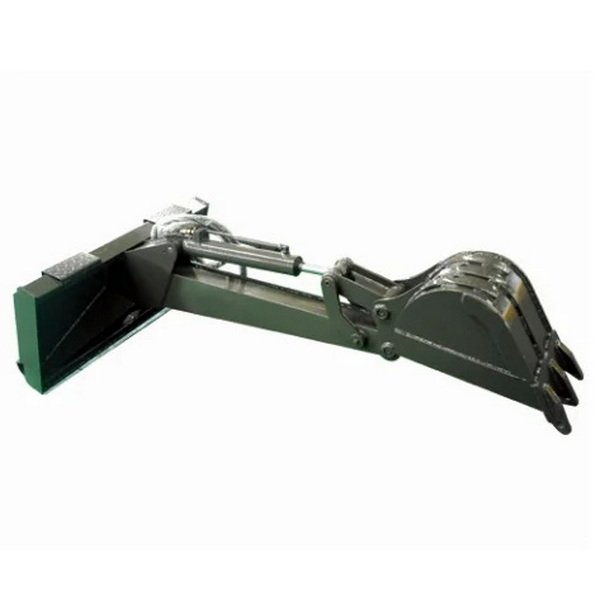

Top Mini Digger Manufacturers and Suppliers in Southeast European countries
Content Menu
● Overview of Mini Digger Demand in Southeast Europe
● Why Mini Diggers Matter in Southeast Europe
● Key Southeast European Markets for Mini Digger Manufacturers and Suppliers
>> Greece, Croatia, and the Western Balkans
>> Emerging Markets: Albania, North Macedonia, and Kosovo
● Popular Mini Digger Categories in Southeast Europe
>> Micro and Ultra‑Compact Mini Diggers (1–2 Tons)
>> Standard Mini Diggers (2–4 Tons)
>> Midi Excavators (4–10 Tons)
● Global Mini Digger Manufacturers and Suppliers Active in Southeast Europe
● The Role of Chinese Mini Digger Manufacturers and Suppliers
● How Certeg Positions Itself Among Mini Digger Manufacturers and Suppliers
● What Buyers in Southeast Europe Look for in Mini Digger Manufacturers and Suppliers
>> Importance of Compliance and Safety
● Practical Buying Tips for Southeast European Contractors
>> Matching Machine Size to Project Types
>> Considering Total Cost of Ownership
● Future Trends for Mini Digger Manufacturers and Suppliers in Southeast Europe
● FAQ About Mini Digger Manufacturers and Suppliers in Southeast Europe
>> 1. Which Southeast European countries are most active for Mini Digger Manufacturers and Suppliers?
>> 3. Are Chinese Mini Digger Manufacturers and Suppliers accepted in the Southeast European market?
Southeast Europe has become one of the most dynamic emerging markets for mini excavators, with infrastructure upgrades, urban regeneration, and agricultural modernization all driving strong demand for Mini Digger Manufacturers and Suppliers. Across the region, compact machines are now a strategic tool for contractors, municipalities, and farmers who need powerful yet agile equipment for confined or difficult job sites.
Mini diggers belong to the broader Europe construction equipment market, which is forecast to keep growing steadily on the back of housing demand, transport corridors, renewable‑energy projects, and urban renewal programs. Compact and mid‑sized equipment benefit most because they fit dense neighborhoods and complex brownfield sites where large excavators are impractical. This combination of market growth and job‑site constraints explains why Mini Digger Manufacturers and Suppliers now treat Southeast Europe as a priority region.

Overview of Mini Digger Demand in Southeast Europe
The core Southeast European countries typically include Albania, Bosnia and Herzegovina, Bulgaria, Croatia, Greece, Kosovo, Montenegro, North Macedonia, Romania, Serbia, and sometimes the European part of Turkey and Moldova. These markets share several common features: rapidly improving transport networks, the need to renew aging utilities, and ongoing residential construction to accommodate urbanization and changing family patterns.
Earth‑moving machinery already dominates the broader European construction equipment landscape, and mini excavators represent a fast‑growing slice of that segment. As governments unlock funding for highways, bridges, water systems, renewable‑energy installations, and public buildings, thousands of smaller projects spin off at local level. That pattern favors Mini Digger Manufacturers and Suppliers that can supply compact, fuel‑efficient machines for trenching, landscaping, demolition, and light civil engineering, rather than only large crawler excavators.
Another key growth driver is the rental sector. Across Europe, rental companies now account for a significant share of compact equipment purchases, and Southeast Europe is following that trend. Rental fleets typically standardize on a limited number of models and rely on Mini Digger Manufacturers and Suppliers that can guarantee uptime, quick parts supply, and easy‑to‑learn controls for operators with mixed experience levels.
Why Mini Diggers Matter in Southeast Europe
Mini diggers are crucial for small and medium construction firms, municipal authorities, rental companies, and agricultural users who regularly work in tight or hard‑to‑access environments. Many Southeast European cities have dense historic centers with narrow streets, low‑capacity pavements, and strict noise or vibration limits. In this context, a 1–4 ton mini digger can perform excavation, loading, and light demolition tasks that would be risky or impossible for full‑size excavators.
The region’s geography adds another layer of complexity. Mountainous terrain in countries such as Greece, Montenegro, Bosnia and Herzegovina, and North Macedonia requires machines that can cope with steep gradients and limited working platforms while still maintaining stability. Mini Digger Manufacturers and Suppliers respond with low‑center‑of‑gravity designs, optimized track frames, and boom configurations that allow operators to work safely on slopes or in terraced landscapes.
Agriculture and rural development also sustain mini digger demand. Vineyards, orchards, greenhouses, and livestock farms need compact machines for drainage channels, building small retaining walls, installing irrigation lines, cleaning yards, or constructing access roads. In many of these applications, tractors and loaders are not precise enough, making mini excavators the preferred tool. As rural tourism and small hospitality projects grow, this mixed agriculture‑construction demand becomes even more attractive for Mini Digger Manufacturers and Suppliers.
Key Southeast European Markets for Mini Digger Manufacturers and Suppliers
Romania and Bulgaria
Romania is one of the fastest‑growing construction markets in Eastern and Southeast Europe, supported by EU cohesion funds, private housing demand, and large highway and rail projects. Each major infrastructure corridor generates dozens of secondary projects—service stations, logistics yards, access roads, and utility rerouting—where compact excavators are indispensable. Mini Digger Manufacturers and Suppliers see Romania as a strategic hub because machines sold there often work across borders in neighboring Moldova, Hungary, and Bulgaria.
Bulgaria benefits from similar EU‑backed investment in roads, energy corridors, and municipal infrastructure. Ports on the Black Sea, industrial zones, and tourism‑oriented coastal developments all absorb mini excavators for foundation work, landscaping, and utility installations. Because many Bulgarian contractors manage relatively small fleets, they prefer Mini Digger Manufacturers and Suppliers that can deliver robust, low‑maintenance machines with easily available parts rather than highly complex premium models.
Greece, Croatia, and the Western Balkans
Greece and Croatia combine tourism‑driven construction with transport, port, and energy investments that keep fleets of compact excavators busy year‑round. On islands and steep coastal hillsides, mini diggers must often be transported on small trucks or trailers and then operate on confined platforms without causing excessive ground damage. That leads buyers to favor lighter machines with rubber tracks, precise hydraulics, and compact swing radii.
In the broader Western Balkans, including Serbia, Bosnia and Herzegovina, and Montenegro, governments continue to expand highways, cross‑border corridors, and energy networks. At the same time, private investors build hotels, logistics hubs, and manufacturing facilities. Many of these projects require both large and compact machinery, opening opportunities for Mini Digger Manufacturers and Suppliers able to support mixed fleets with consistent controls, shared components, and integrated service programs.
Emerging Markets: Albania, North Macedonia, and Kosovo
Albania, North Macedonia, and Kosovo are smaller markets in absolute terms but show strong percentage growth in construction activity. Upgrades to roads, water treatment plants, and tourist facilities along lakes and coastal stretches all require flexible excavation solutions. Because budgets can be tight, buyers often compare European and Japanese brands with cost‑effective Chinese Mini Digger Manufacturers and Suppliers that offer good value without compromising basic performance and safety.
In these emerging markets, many contractors still rely on used equipment imported from Western Europe. As economic conditions improve and financing becomes more accessible, a gradual shift toward new compact excavators is likely. That transition will reward Mini Digger Manufacturers and Suppliers who can provide attractive financing options, training for operators and mechanics, and clear guidance on maintenance practices to extend machine life.
Popular Mini Digger Categories in Southeast Europe
Micro and Ultra‑Compact Mini Diggers (1–2 Tons)
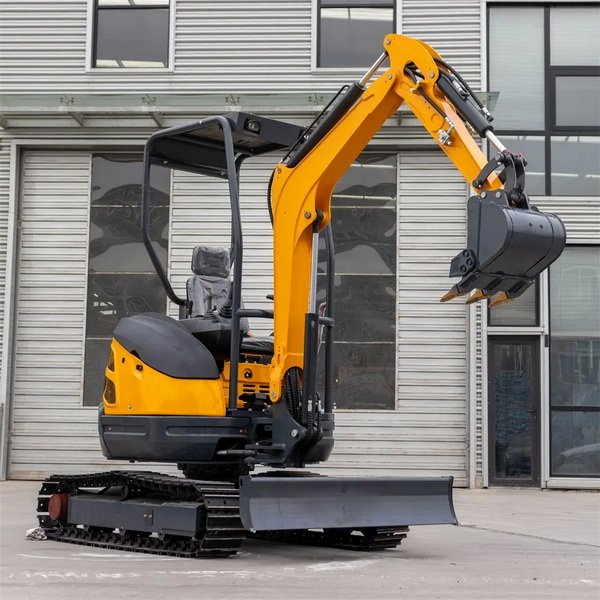
Micro and ultra‑compact machines around 1 to 2 tons are widely used for landscaping, indoor demolition, utility trenching, and agriculture in orchards or vineyards. Their narrow undercarriages and low weight make them easy to transport on light trailers behind pickup trucks or small commercial vehicles. Many Mini Digger Manufacturers and Suppliers offer versions with retractable undercarriages that can pass through standard doorways or garden gates, then expand to a wider stance for stable digging.
These machines typically prioritize simplicity and ease of maintenance. Hydraulic systems are relatively straightforward, and optional quick‑couplers allow fast attachment changes between buckets, augers, hydraulic breakers, and grading blades. Because they often work in noise‑sensitive residential areas, micro excavators also benefit from quieter engines and improved exhaust after‑treatment systems.
Standard Mini Diggers (2–4 Tons)
The 2–4 ton segment is the backbone of many small and mid‑size contractors across Southeast Europe because it balances digging power with compact dimensions. Machines in this range handle foundation work for small houses, septic systems, farm buildings, retaining walls, and municipal repair jobs. For rental companies, they offer a good compromise between transportability and performance, making them a central focus for Mini Digger Manufacturers and Suppliers.
Operator comfort and ergonomics are increasingly important in this segment. Enclosed cabs with heating and air‑conditioning, adjustable seating, proportional joystick controls, and good all‑round visibility all help reduce fatigue. As working hours extend during peak construction seasons, these comfort features become a selling point for Mini Digger Manufacturers and Suppliers who want to differentiate themselves in a competitive market.
Midi Excavators (4–10 Tons)
Midi excavators from about 4 to 10 tons give contractors more reach, digging depth, and lifting capacity while still fitting within many urban and regional road transport limits. They are popular for road construction, municipal drainage, pipeline projects, and medium‑scale commercial developments. In Southeast Europe, this category often bridges the gap between traditional “mini” diggers and full‑size crawler excavators.
Many Mini Digger Manufacturers and Suppliers optimize this segment with short‑radius or zero‑tail designs and advanced hydraulic circuits that support a wide range of attachments. High‑flow auxiliary lines enable tools such as mulchers, heavier breakers, and tiltrotators, which increase versatility for complex infrastructure and landscaping work. Telematics systems—once reserved for large machines—are now common on midi excavators, helping fleet managers track usage, fuel consumption, and preventive maintenance needs.
Global Mini Digger Manufacturers and Suppliers Active in Southeast Europe
Although this article focuses on Southeast Europe, many of the most visible brands are global Mini Digger Manufacturers and Suppliers with dealer networks stretching across the continent. European, Japanese, Korean, and American OEMs compete on reliability, technology, telematics, and emissions compliance. They typically work through dedicated country‑level distributors who provide sales, training, and after‑sales support.
In parallel, agile Asian manufacturers—especially from China—have gained a growing foothold. Their machines have evolved rapidly, shifting from basic low‑cost products to competitive mini excavators with improved hydraulics, better engines, digital instrument clusters, and enhanced operator environments. By working with experienced European importers, these Mini Digger Manufacturers and Suppliers can align their products with CE certification, Stage V emission requirements, and local language documentation.
The result is a diverse supplier landscape in Southeast Europe. Buyers can choose between premium high‑spec machines with advanced electronics and more straightforward models that emphasize mechanical robustness and simple maintenance. For many contractors, the ideal partner is a Mini Digger Manufacturer or Supplier that offers both choices so they can match machine sophistication to each application and budget.
The Role of Chinese Mini Digger Manufacturers and Suppliers
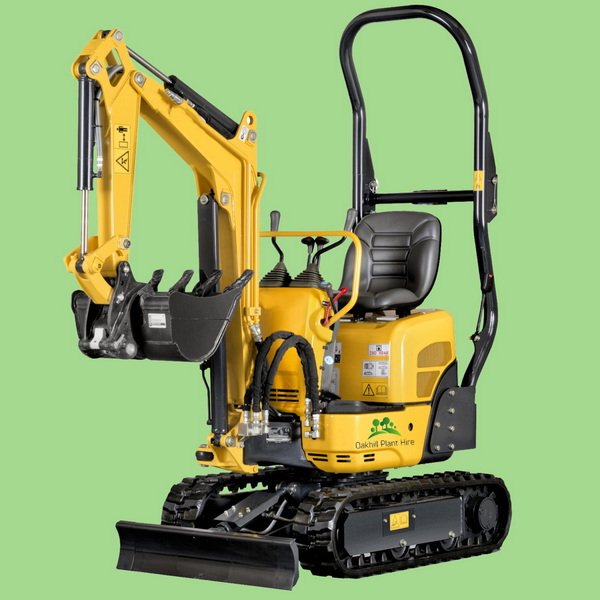
Chinese Mini Digger Manufacturers and Suppliers now play an important role in the European compact equipment market. China is one of the largest global producers of construction machinery, and its factories leverage economies of scale, modern production lines, and strong component supply chains. Even after logistics and import duties, Chinese mini diggers often reach European buyers at significantly lower purchase prices than some European or Japanese equivalents of similar specifications.
Quality improvements are another key factor. Many Chinese factories now rely on well‑known diesel engines, upgraded hydraulic systems, and improved electrical harnesses to meet CE and EU Stage V standards. Specialized European importers work closely with these manufacturers to specify materials, testing regimes, and configuration details that suit local expectations. In practice, this means that Mini Digger Manufacturers and Suppliers from China can deliver machines that integrate seamlessly into European fleets.
From the perspective of Southeast European buyers, the main advantages of partnering with reputable Chinese Mini Digger Manufacturers and Suppliers include:
– Competitive pricing that frees up budget for additional attachments or machines
– Customization options, such as specific track types, boom configurations, or control patterns
– Flexibility on branding for dealers building their own private‑label ranges
– Increasingly professional documentation, training materials, and remote support
To succeed long term, Chinese suppliers must back these advantages with reliable spare parts logistics and clear warranty processes. Many have already invested in European warehouses and service teams to meet that expectation.
How Certeg Positions Itself Among Mini Digger Manufacturers and Suppliers
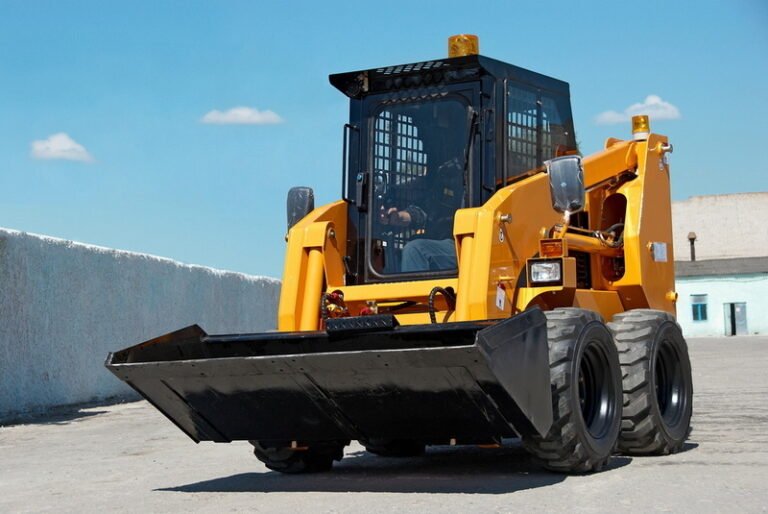
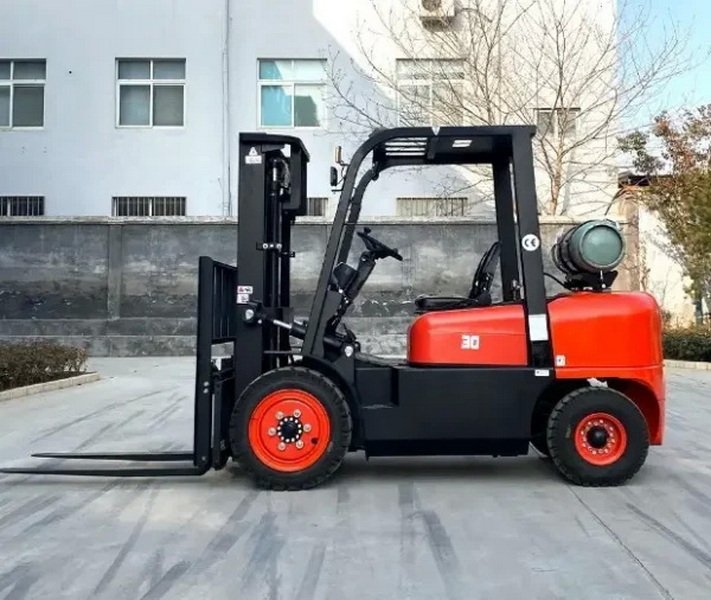
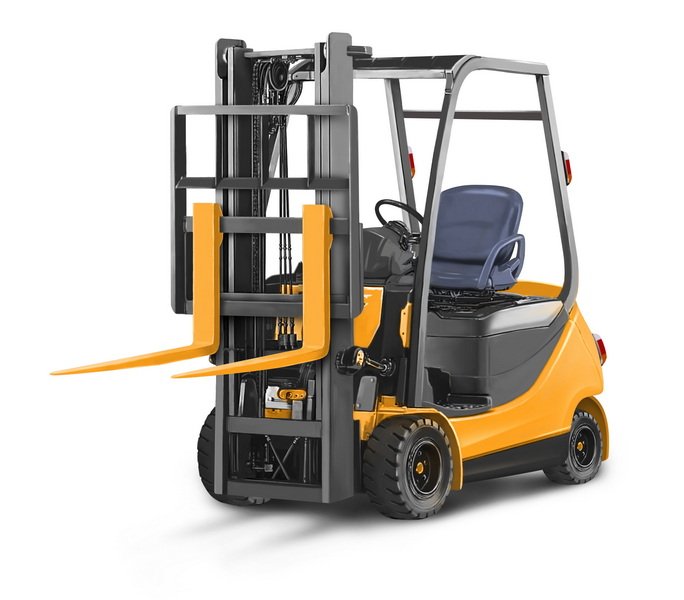
Certeg, as a manufacturer of excavators, skid steer loaders, road rollers, forklifts, tractors, and crawler transporters, is well placed to serve the diversified needs of Southeast European customers. By offering mini diggers alongside complementary machinery, Certeg can help contractors, rental companies, and agricultural users build integrated equipment line‑ups tailored to housing, road, and farm projects.
In the context of Mini Digger Manufacturers and Suppliers, Certeg can emphasize several strengths:
– A broad machine portfolio that covers excavation, compaction, material handling, and agricultural tasks
– Flexible powertrain options, allowing customers to match engine sizes and performance levels to local fuel quality and regulatory requirements
– Robust structures and undercarriages designed for mixed soil conditions, from coastal sand to rocky mountain terrain
– Customer‑centric support, including parts stocking strategies and training resources adapted to Southeast European markets
For buyers in the region, working with a Mini Digger Manufacturer and Supplier that understands real‑world job‑site conditions—such as steep village roads, tight urban yards, and remote rural locations—is just as important as headline specifications. By showcasing case studies, field demonstrations, and detailed usage tips, Certeg can build trust and highlight how its mini diggers perform in comparable environments.
What Buyers in Southeast Europe Look for in Mini Digger Manufacturers and Suppliers
Key Evaluation Criteria
When selecting Mini Digger Manufacturers and Suppliers, buyers across Southeast Europe typically focus on a consistent set of criteria:
– Reliability and durability in mixed terrain and climate conditions, including hot summers, cold winters, and dusty environments
– Availability of local service partners, technicians, and spare parts to minimize downtime
– Flexibility of configurations, such as canopy versus cabin, rubber or steel tracks, and different boom styles
– Operating costs, including fuel efficiency, service intervals, and the cost of common wear parts like tracks, pins, and bushings
– Compatibility with a wide range of attachments and fast attachment changes through mechanical or hydraulic quick‑couplers
Mini Digger Manufacturers and Suppliers that deliver clear, transparent information on these points and back it with references from local users generally build stronger reputations in Southeast Europe.
Importance of Compliance and Safety
Southeast European countries are gradually tightening environmental and safety regulations in line with broader European standards. That places extra responsibility on Mini Digger Manufacturers and Suppliers to deliver compliant engines, certified protective structures, and thorough documentation. Buyers increasingly check for CE marking, Stage V engine compliance, and risk‑assessment documentation before placing orders.
Safety expectations also extend to training. Many public‑sector tenders now require evidence that operators have been properly instructed in safe use, including trench safety, lifting procedures, and work near utilities. Mini Digger Manufacturers and Suppliers that provide multilingual manuals, digital tutorials, and on‑site or online training programs offer a clear advantage. Over time, this level of professionalism reduces accidents, protects machine resale values, and strengthens brand reputation.
Practical Buying Tips for Southeast European Contractors
Matching Machine Size to Project Types
Contractors should start by mapping the typical project mix they handle over a full year: urban utility trenches, farm drainage, hillside retaining walls, solar‑farm foundations, or hotel expansions. Once these patterns are clear, it becomes easier to shortlist machine sizes and configurations. Mini Digger Manufacturers and Suppliers usually provide detailed specification sheets that show digging depth, reach, lifting charts, and transport weights.
For example, a contractor focused mainly on garden landscaping and small utility repairs in city centers may prioritize 1–2 ton micro excavators that can access courtyards and basements. A firm that builds houses and small commercial buildings on the urban fringe might rely on 2–4 ton mini diggers for foundations, drainage, and service connections. Companies active in roadbuilding or industrial sites may need 4–8 ton midi excavators for more demanding tasks.
Considering Total Cost of Ownership
Purchase price is only one element of the overall cost picture. Fuel efficiency, service intervals, spare parts pricing, and expected resale value all play major roles in total cost of ownership. Professional Mini Digger Manufacturers and Suppliers are often willing to share operating cost models that factor in typical fuel consumption, service tasks per 1,000 operating hours, and the price of consumables.
Contractors should also consider the impact of downtime. Machines that are slightly cheaper to buy but difficult to repair locally can cost more in the long run than models supported by a strong dealer network. When comparing Mini Digger Manufacturers and Suppliers, it is wise to ask about parts stocking policies, response times, and the availability of loan or rental machines during major repairs. A structured maintenance schedule supported by clear manuals and training materials can further reduce lifetime costs.
Future Trends for Mini Digger Manufacturers and Suppliers in Southeast Europe
The European construction equipment market is projected to expand steadily, with compact and mini equipment playing a central role as cities densify and infrastructure ages. That trend will continue to benefit Mini Digger Manufacturers and Suppliers who focus on versatile, fuel‑efficient, and increasingly low‑emission machines. As public clients introduce greener procurement criteria, demand for Stage V engines and, eventually, hybrid or electric compact excavators will grow.
Digitalization is another key trend. Telematics systems that monitor fuel use, idle time, geo‑location, and maintenance alerts are migrating from large earth‑moving equipment to mini diggers. For Southeast European contractors and rental firms, this data can improve fleet utilization, reduce theft risk, and help schedule preventive service more accurately. Mini Digger Manufacturers and Suppliers who offer user‑friendly telematics platforms and integrate them with dealer support will be better placed to create long‑term partnerships.
At the same time, the used‑equipment market in Europe is recovering, partly driven by strong demand for compact machinery. That dynamic affects Southeast Europe in two ways. First, it gives local buyers more choice between new and used mini diggers. Second, it encourages Mini Digger Manufacturers and Suppliers to design machines with strong residual values and easy refurbishment, knowing that they may be resold across borders after their first life cycle.
Conclusion
Southeast Europe offers a compelling growth landscape for Mini Digger Manufacturers and Suppliers, anchored by ongoing investments in housing, transport corridors, tourism infrastructure, and agricultural modernization. Buyers in countries such as Romania, Bulgaria, Greece, Croatia, Albania, Serbia, and their neighbors can choose from a wide spectrum of global, European, and Asian Mini Digger Manufacturers and Suppliers that provide CE‑compliant, efficient, and cost‑effective compact excavators.
Success in this market depends on much more than simply selling iron and hydraulics. The most successful Mini Digger Manufacturers and Suppliers combine robust machine design with responsive dealer networks, flexible configurations, transparent total‑cost‑of‑ownership models, and strong training and safety programs. Chinese Mini Digger Manufacturers and Suppliers, supported by experienced European importers, add further competitive pressure and choice for local buyers.
For a manufacturer like Certeg, the opportunity lies in aligning its mini excavator range with the specific needs of Southeast European customers—urban contractors, rural builders, rental fleets, and agricultural users—while leveraging its broader portfolio of construction and agricultural machinery. As regulations evolve and digital technologies spread, Mini Digger Manufacturers and Suppliers that stay agile, customer‑oriented, and innovation‑driven will be well positioned to support the region’s growth for many years ahead.
Contact us to get more information!
FAQ About Mini Digger Manufacturers and Suppliers in Southeast Europe
1. Which Southeast European countries are most active for Mini Digger Manufacturers and Suppliers?
The most active markets include Romania and Bulgaria, where large infrastructure and housing programs generate sustained demand for earth‑moving equipment. Greece, Croatia, Serbia, and the wider Western Balkans also show strong activity due to tourism projects, transport corridors, and municipal infrastructure upgrades.
2. How do buyers in Southeast Europe usually choose between different Mini Digger Manufacturers and Suppliers?
Most buyers compare reliability records, local dealer support, and total cost of ownership before making a decision. Demonstrations, reference projects, and hands‑on tests are highly influential, because they reveal how mini diggers perform in real soil conditions, slopes, and confined spaces typical of Southeast Europe.
3. Are Chinese Mini Digger Manufacturers and Suppliers accepted in the Southeast European market?
Yes, Chinese Mini Digger Manufacturers and Suppliers are increasingly accepted, especially when they cooperate with reputable European importers and dealers. As long as machines meet CE and Stage V requirements and are backed by solid parts and service support, many contractors appreciate their combination of competitive prices and reliable performance.
4. What machine sizes do Mini Digger Manufacturers and Suppliers recommend for urban projects in Southeast Europe?
For dense urban environments, Mini Digger Manufacturers and Suppliers typically recommend micro and standard mini excavators in the 1–4 ton range. These machines are easier to transport, cause less surface damage, and still offer sufficient digging depth and reach for most utility, landscaping, and small foundation tasks in city centers and residential areas.
5. How important is European emission compliance when dealing with Mini Digger Manufacturers and Suppliers?
European emission compliance is very important and is becoming more critical each year as environmental regulations tighten. Mini Digger Manufacturers and Suppliers that offer Stage V‑compliant engines, provide clear documentation, and support efficient operation are better placed to win public tenders and private projects that emphasize sustainability and low environmental impact.
Reference URLs:
1. https://en.wikipedia.org/wiki/Southeast_Europe
2. https://www.countriespedia.info/subregion/Southeast-Europe
3. https://www.dl1.en-us.nina.az/Southeast_Europe.html
4. https://www.factmonster.com/dk/encyclopedia/people-and-places/southeast-europe
5. https://www.mordorintelligence.com/industry-reports/europe-construction-equipment-market
6. https://www.marketdataforecast.com/market-reports/europe-construction-equipment-market
7. https://www.researchandmarkets.com/reports/5025568/europe-construction-equipment-market-share
8. https://www.researchandmarkets.com/report/europe-mini-excavator-market
9. https://www.kbvresearch.com/europe-mini-excavators-market/
10. https://markwideresearch.com/europe-mini-excavators-market/
11. https://www.cognitivemarketresearch.com/regional-analysis/europe-mini-excavators-market-report
12. https://leite-europa.com/mini-excavators/
13. https://www.hitachicm.com/eu/en/onsite/article/the-rise-of-rental-construction-equipment-in-europe/
14. https://www.kenresearch.com/industry-reports/europe-heavy-construction-equipment-market
15. https://www.grandviewresearch.com/horizon/outlook/construction-equipment-market/europe
16. https://www.constructionbriefing.com/news/compact-equipment-drives-european-used-equipment-market-recovery/8094881.article
17. https://www.internationalrentalnews.com/news/volvo-ce-reports-weaker-2025-sales-despite-improving-demand-in-q4/8112537.article
18. https://www.leadmanmachinery.com/post/import-mini-excavator-china-to-europe
19. https://www.rippa.com
Hot Tags: Mini Digger, Mini Excavator, Compact Digger, Small Excavator, Mini Digger Machine, Mini Excavator For Sale, Mini Digger Price, Mini Digger Attachment, Mini Digger For Landscaping, Mini Digger Construction Equipment