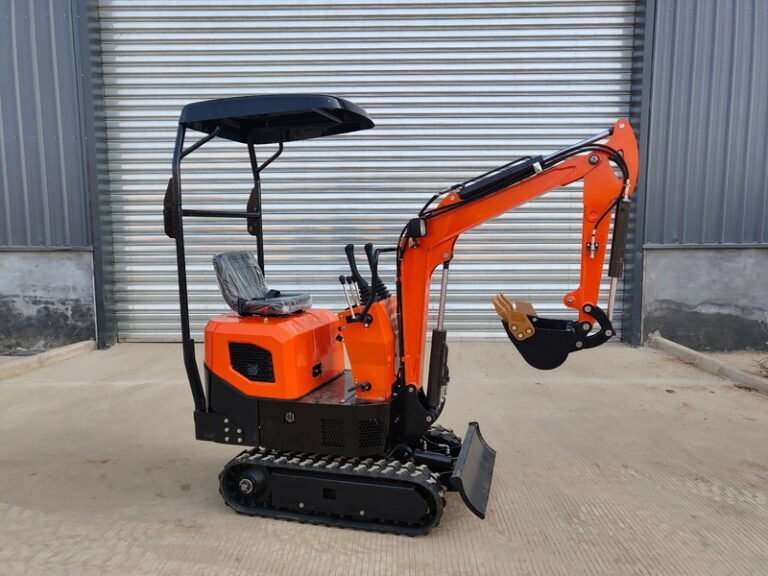

The Ultimate Guide to Compact Excavator Sizes and Technical Specifications for 2026
Content Menu
● Understanding the Compact Excavator Classification System
● Core Technical Specifications and Performance Metrics
>> 1. Operating Weight and Ground Pressure
>> 2. Hydraulic Flow and Multi-Functionality
>> 3. Dig Depth and Reach at Ground Level
● The 2026 Innovation: AI, Automation, and Telematics
>> Voice-Activated “Jobsite Companions”
>> Autonomous and Remote Operations
>> Advanced Telematics and Predictive Maintenance
● Diesel vs. Electric: A 2026 Cost-Benefit Analysis
● Selecting the Right Tail Swing and Arm Configuration
● Operational Best Practices for Maximum Efficiency
● Future-Proofing Your Investment
● Secure Your Construction Future with Certeg
● FAQ
>> 1. What is the difference between a mini and a midi excavator?
>> 2. Can electric excavators really work a full 8-hour shift?
>> 3. Why is “Breakout Force” important?
>> 4. Are AI features like “Jobsite Companion” standard in 2026?
>> 5. How does altitude affect excavator performance?
Choosing the right compact excavator is a strategic investment that hinges on understanding the synergy between operating weight, hydraulic performance, and the latest 2026 technological advancements. This comprehensive guide provides the technical depth and market insights necessary for global contractors and fleet managers to optimize their machinery selection for maximum Return on Investment (ROI).[1][2][3][4]
Understanding the Compact Excavator Classification System
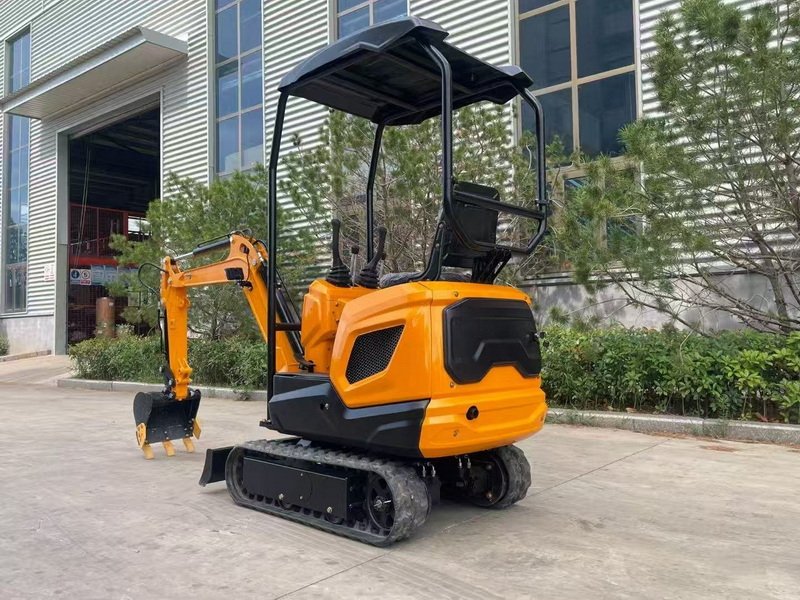
In the modern construction landscape, compact excavators—often called mini excavators—are categorized primarily by their operating weight. This metric is the most critical factor because it dictates the machine’s lifting capacity, center of gravity, and the amount of ground pressure it exerts during operation. For 2026, the market has stabilized into several distinct classes that serve specific industrial needs.[5][6]
Core Technical Specifications and Performance Metrics
1. Operating Weight and Ground Pressure
Operating weight is the foundation of stability; it determines how much counterweight is available to balance a full bucket at maximum reach. Compact excavators are specifically engineered to exert low ground pressure, minimizing soil compaction and preventing damage to finished surfaces like driveways or manicured turf. This makes them superior to larger units for urban renovation projects where surface integrity is a priority.[6][7][5]
2. Hydraulic Flow and Multi-Functionality
The efficiency of an excavator is measured by its hydraulic flow (GPM) and pressure (PSI), which allow the machine to perform simultaneous functions—such as lifting, rotating, and extending—without losing power. In 2026, premium models feature load-sensing hydraulics that adjust flow based on the resistance encountered, significantly reducing fuel consumption while improving precision. Higher hydraulic flow is essential when using advanced attachments such as augers, mowers, or secondary hydraulic thumbs.[7][8][5]
3. Dig Depth and Reach at Ground Level
Dig depth indicates the maximum vertical reach below the tracks, while maximum reach at ground level determines the total working envelope. A wider working radius reduces the need for frequent machine repositioning, which can increase job site productivity by up to 15%. When selecting a machine, ensure the dig depth exceeds your deepest required trench by at least 15% to maintain efficient bucket angles.[8][5]
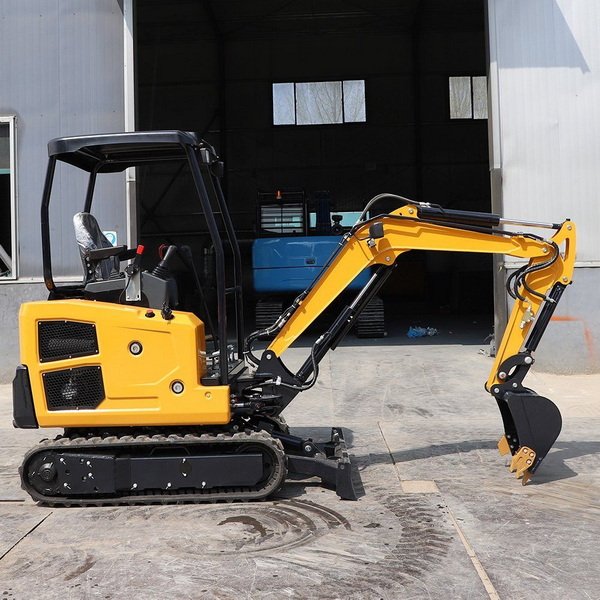
The 2026 Innovation: AI, Automation, and Telematics
The most significant update to the 2026 excavator landscape is the integration of AI-enabled assistance. Modern excavators are no longer just mechanical tools; they are data-driven assets that assist the operator in real-time.[2][1]
Voice-Activated “Jobsite Companions”
Industry leaders have introduced integrated AI systems that automate up to 50 routine functions, such as bucket leveling and grade control. These systems allow even novice operators to achieve professional-grade results by maintaining a perfect grade automatically, which reduces material waste and rework costs.[1][2]
Autonomous and Remote Operations
Modern midi excavators now support autonomous trenching. Using integrated LiDAR and 360-degree cameras, these machines can follow digital site plans to dig trenches with millimeter precision while automatically avoiding underground utilities and personnel. For hazardous environments, remote-control operation is now a standard option, allowing operators to control the machine from a safe distance using a tablet or VR headset.[9][1]
Advanced Telematics and Predictive Maintenance
2026 fleets utilize real-time visual asset tracking. Managers can now monitor fuel levels, hydraulic temperatures, and operator efficiency from a smartphone. Predictive algorithms analyze vibration and heat data to alert the owner before a hydraulic pump or engine component fails, effectively eliminating unplanned downtime.[10][1]
Diesel vs. Electric: A 2026 Cost-Benefit Analysis
While diesel remains the standard for remote sites, electric mini excavators have reached parity in performance, offering 6 to 8 hours of continuous operation on a single charge.[3][10]
Selecting the Right Tail Swing and Arm Configuration
Tail Swing Types
Zero Tail Swing (ZTS): The rear counterweight stays within the track width throughout the full 360-degree rotation. This is essential for working against walls, between buildings, or on busy roads where the rear could otherwise strike obstacles or traffic.[5][6]
Minimal Tail Swing: Offers a balance of stability and compactness, with the rear extending less than 10% beyond the tracks. It provides slightly better lifting capacity than ZTS while remaining highly maneuverable.[5]
Conventional Swing: Provides the highest lifting capacity and best stability for heavy-duty digging and lifting, though it requires significant clearance space for the counterweight to swing.[5]
Arm Configurations
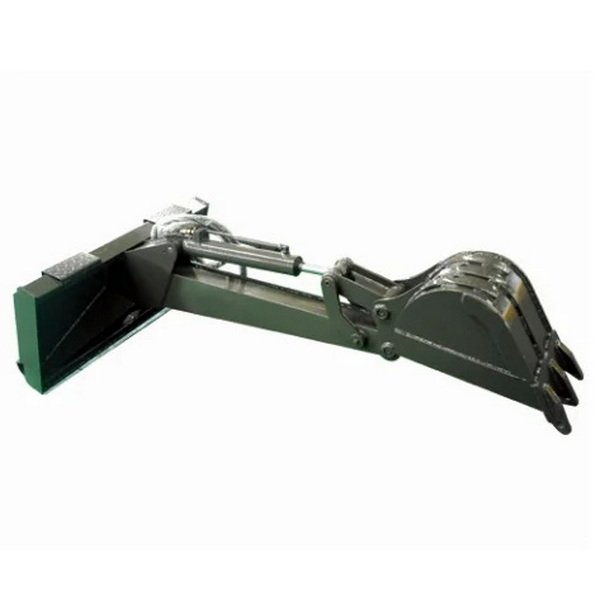
The arm is the “hand” of your excavator. While standard arms provide the most breakout force for tough digging, extendable arms are becoming a 2026 favorite for their versatility. An extendable arm allows a 3-ton machine to reach the depths and heights of a 4-ton machine without the added weight, keeping the unit easy to transport on a standard trailer.[5]
Operational Best Practices for Maximum Efficiency
To maximize the lifespan and productivity of your Certeg construction equipment, follow these expert-vetted protocols:
1. Conduct Daily Walkarounds: Inspect hydraulic hoses for leaks, check grease points, and ensure track tension is within manufacturer specifications to prevent premature wear.[5]
2. Optimize Attachment Choice: Match the bucket size to the material density. Using a bucket that is too large for heavy clay can strain the hydraulic system and increase fuel burn by over 20%.[5]
3. Leverage Grade Control: Use 2D or 3D grade control systems to eliminate “over-digging.” This saves on operator time and reduces the amount of expensive backfill material required to level the site.[1]
4. Monitor Idle Time: Use telematics to identify machines that are idling excessively. Reducing idle time by 10% can significantly extend the interval between engine services and increase the machine’s resale value.[1]
Future-Proofing Your Investment
In 2026, the value of an excavator is determined as much by its software as its hardware. When purchasing, prioritize machines with Over-the-Air (OTA) update capabilities. This ensures that as new AI features or hydraulic tuning profiles are released, your machine can be upgraded remotely without a trip to the dealership, keeping your fleet at peak performance for years to come.[2][8][1]
Secure Your Construction Future with Certeg
Choosing the right machinery is the difference between a profitable project and a costly delay. At Certeg, we combine rugged engineering with the latest 2026 AI and electric powertrain technologies to ensure your fleet stays ahead of the competition. Contact our expert technical team today to receive a personalized machinery consultation and a competitive quote tailored to your specific project needs.
FAQ
1. What is the difference between a mini and a midi excavator?
Mini excavators typically range from 1 to 5 metric tons, while midi excavators fall between 6 and 10 metric tons. Midi excavators bridge the gap between compact agility and the power of full-sized heavy excavators, making them suitable for commercial utility work.[5]
2. Can electric excavators really work a full 8-hour shift?
Yes, most 2026 electric models are designed for 6 to 8 hours of “typical” duty cycles. With rapid charging solutions, many can be charged to 80% during a lunch break to extend the working day effectively.[3][6][10]
3. Why is “Breakout Force” important?
Breakout force measures the maximum power the bucket or arm can apply to penetrate tough materials. Higher breakout force is critical for digging in rocky soil, frozen ground, or heavily compacted clay.[5]
4. Are AI features like “Jobsite Companion” standard in 2026?
They are standard on premium “Pro” series models but can often be retrofitted via software updates or hardware modules on compatible next-gen machines.[8][1]
5. How does altitude affect excavator performance?
Standard diesel engines lose power in thin air due to oxygen deprivation; however, turbo-charged engines (common in Certeg 5+ ton models) maintain consistent performance at high elevations.[5]
Citations:
[1] https://www.prnewswire.com/news-releases/doosan-bobcat-introduces-smarter-machines-for-simpler-operation-at-ces-2026-302653056.html
[2] https://www.bobcat.com/na/en/company/news-media/press-releases/doosan-bobcat-introduces-smarter-machines-ces-2026
[3] https://www.constructionbriefing.com/news/are-electric-mini-excavators-a-better-choice-than-diesel/8029223.article
[4] https://isohitech.com/how-much-does-an-excavator-cost/
[5] https://www.bobcat.com/na/en/buying-resources/excavators/compact-excavator-buyers-guide/sizes-specifications
[6] https://www.factmr.com/report/370/compact-excavator-market
[7] https://www.internationalrentalnews.com/news/compact-machines-big-shifts-the-three-big-trends-shaping-the-mini-excavator-market-in-2025/8083988.article
[8] https://compactequip.com/mini-excavators/software-update-boosts-speed-and-productivity-for-cat-303-5-cr-mini-excavator/
[9] https://www.caterpillar.com/en/news/corporate-press-releases/h/next-era-autonomy.html
[10] https://www.ltmgloader.com/comparing-electric-and-diesel-mini-excavators-a-modern-guide
Hot Tags:Excavator Specifications, Bobcat Excavator Dimensions, Mini Excavator Dimensions, Bobcat Excavator Sizes, Smallest Mini Excavator, Weight Of Bobcat Mini Excavator, Lifting Capacity Of Mini Excavator, Bobcat Excavator Weight, Small Excavator Bucket, Bobcat Mini Excavator Sizes