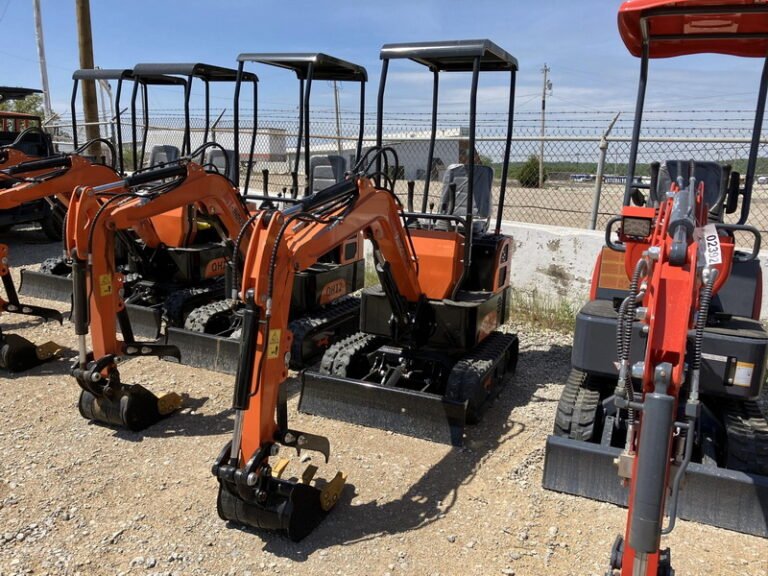

How to Choose the Best Compact & Mini Excavator for Your Job (2026 Buyer’s Guide)
Content Menu
● Why Compact and Mini Excavators Dominate Modern Construction
>> Market Trends Driving Demand in 2026
● Step 1: Understand Excavator Size Classes and Weight Ranges
>> Compact / Mini Excavator Classes (0.6–6 ton)
● Step 2: Match Machine Size to Your Typical Jobs
>> Common Applications and Recommended Sizes
>>> 1. Landscaping & Yard Work
>>> 2. Utility & Trenching (Water, Gas, Telecom)
>>> 3. Residential Foundations & Basements
>>> 4. Light Demolition & Site Prep
>>> 5. Road & Bridge Maintenance
● Step 3: Key Performance Specs to Compare
>> 2. Breakout Force and Lifting Capacity
>> 3. Engine Power and Fuel Efficiency
● Step 4: Zero Tail Swing vs. Conventional Tail Swing
● Step 5: Operator Comfort and Cab Features
>> Must‑Have Cab Features in 2026
>> Advanced Features to Consider
● Step 6: Choosing the Right Attachments
>> Most Common Attachments and Their Uses
>> How to Match Attachments to Your Machine
● Step 7: Maintenance and Total Cost of Ownership
>> 1. Maintenance Requirements
>> 2. Fuel and Operating Costs
>> 3. Resale Value and Depreciation
● Step 8: How Certeg Compact Excavators Compare to Leading Brands
>> Certeg CT25 / CT35U Mini Excavator Highlights
>> Key Advantages vs. Competitors
● Step 9: Safety and Operator Training Best Practices
● Step 10: Making the Final Decision – Your Action Plan
● Ready to Find Your Perfect Compact Excavator?
● Frequently Asked Questions (FAQ)
>> 1. What is the best compact excavator size for landscaping?
>> 2. How deep can a 3‑ton mini excavator dig?
>> 3. What attachments should I buy first for a compact excavator?
>> 4. Is zero tail swing worth the extra cost?
>> 5. How often should I service a compact excavator?
Choosing the right compact or mini excavator is one of the most important decisions for contractors, landscapers, and rental fleets in 2026. A well‑matched machine can dramatically increase productivity, reduce labor costs, and open up new job types, while the wrong choice leads to wasted fuel, downtime, and missed deadlines.
This comprehensive buyer’s guide walks you through every step of selecting a compact excavator, from understanding size classes and digging performance to evaluating attachments, operator comfort, and total cost of ownership. We’ll also show how modern Certeg mini excavators compare to leading brands in real‑world specs and features, so you can make a confident, data‑driven investment.
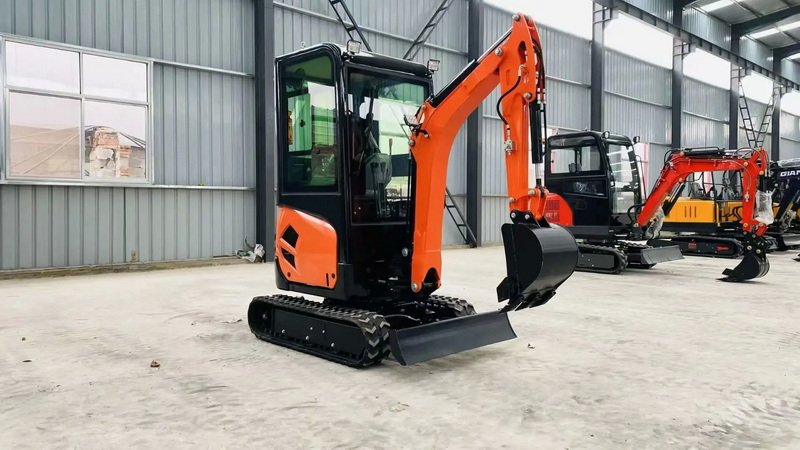
Why Compact and Mini Excavators Dominate Modern Construction
Compact excavators (often called mini excavators) are the backbone of urban, residential, and utility construction today. Their small footprint, zero‑ or reduced‑tail‑swing designs, and high versatility make them ideal for:
– Trenching for water, gas, and telecom lines
– Foundation digging and basement work
– Landscaping, grading, and site prep
– Demolition and debris removal in tight spaces
– Road and bridge maintenance in confined areas
Market Trends Driving Demand in 2026
The global excavator market is projected to reach around USD 72–79 billion by 2026, with compact and mini excavators growing faster than larger models due to:
– Rapid urbanization and infrastructure upgrades in Asia, North America, and the Middle East
– Rising demand for rental fleets and multi‑purpose machines
– Strong growth in residential construction and utility projects
– Increasing adoption of electric and low‑emission models in environmentally sensitive areas
For contractors, this means that a modern compact excavator is not just a digging tool—it’s a profit multiplier that can handle multiple attachments and job types, improving fleet utilization and ROI.
Step 1: Understand Excavator Size Classes and Weight Ranges
Excavators are typically grouped by operating weight and application. Choosing the right size ensures you have enough power without overpaying for capacity you don’t need.
Compact / Mini Excavator Classes (0.6–6 ton)
| Weight Class | Typical Operating Weight | Best For |
|---|---|---|
| Micro / Ultra‑compact | 0.6–1.5 ton (1,300–3,300 lb) | Indoor demolition, backyard landscaping, utility trenching, small‑scale grading |
| Small compact | 1.5–3 ton (3,300–6,600 lb) | Residential foundations, pipe/cable trenching, light demolition, landscaping |
| Medium compact | 3–5 ton (6,600–11,000 lb) | Commercial foundations, larger trenching, road work, small‑scale demolition |
| Large compact / small standard | 5–6 ton (11,000–13,200 lb) | Heavy‑duty trenching, bridge approaches, urban construction, rental fleets |
Key takeaway:
– For most landscaping, utility, and residential jobs, a 1.5–3 ton mini excavator offers the best balance of power, transportability, and cost.
– For commercial foundations, road work, and heavy trenching, a 3–5 ton compact excavator is usually the sweet spot.
– For very tight spaces (backyards, alleys, indoors), look for ultra‑compact models under 1.5 ton with zero tail swing.
Step 2: Match Machine Size to Your Typical Jobs
Before looking at specs, define your most common job types. This will determine the ideal size, digging depth, and lift capacity.
Common Applications and Recommended Sizes
1. Landscaping & Yard Work
– Typical tasks: grading, tree removal, stump grinding, small retaining walls
– Ideal size: 1–2.5 ton mini excavator
– Why: Easy to transport, fits in backyards, can use a wide range of attachments (buckets, grapples, stump grinders)
2. Utility & Trenching (Water, Gas, Telecom)
– Typical tasks: digging trenches 0.8–1.5 m deep, backfilling, pipe laying
– Ideal size: 2–4 ton compact excavator
– Why: Enough reach and depth for standard utility trenches, good lifting capacity for pipes and fittings
3. Residential Foundations & Basements
– Typical tasks: digging footings, basement excavation, backfilling
– Ideal size: 3–5 ton compact excavator
– Why: Sufficient digging depth (3–4.5 m) and breakout force for compacted soil and light rock
4. Light Demolition & Site Prep
– Typical tasks: removing concrete slabs, breaking walls, clearing debris
– Ideal size: 2.5–5 ton with breaker attachment
– Why: Enough weight and hydraulic flow to run a hydraulic breaker efficiently
5. Road & Bridge Maintenance
– Typical tasks: shoulder work, drainage ditches, bridge approach excavation
– Ideal size: 4–6 ton compact excavator
– Why: Good stability on slopes, longer reach for ditches, higher lifting capacity for barriers and curbs
Step 3: Key Performance Specs to Compare
When comparing models, focus on these core performance metrics.
1. Digging Depth and Reach
– Digging depth determines how deep you can trench or dig a foundation.
– Reach at ground level affects how far you can work from the machine, especially near walls or in ditches.
Rule of thumb:
– For standard utility trenches (1–1.5 m deep), look for ≥ 3 m digging depth.
– For foundations and basements, aim for ≥ 4 m digging depth.
– For ditches and bridge work, ≥ 4.5 m reach is ideal.
2. Breakout Force and Lifting Capacity
– Bucket breakout force (kg or lb) tells you how hard the bucket can dig into soil or light rock.
– Lifting capacity (kg or lb at a given radius) determines what you can safely lift and move.
What to look for:
– For general digging and trenching: ≥ 30 kN bucket breakout force.
– For demolition and heavy lifting: ≥ 40 kN breakout force and ≥ 2,500 kg lifting capacity.
3. Engine Power and Fuel Efficiency
– Engine power (kW or HP) affects cycle times and attachment performance.
– Modern Tier 4 / Stage V engines offer better fuel efficiency and lower emissions.
Typical power ranges:
– 1–2 ton: 15–25 kW (20–35 HP)
– 2–4 ton: 25–40 kW (35–55 HP)
– 4–6 ton: 40–55 kW (55–75 HP)
Look for load‑sensing hydraulic systems and auto‑idle features to reduce fuel consumption on the job.
Step 4: Zero Tail Swing vs. Conventional Tail Swing
Tail swing is critical for working in confined spaces.
Zero Tail Swing (ZTS)
– The counterweight does not extend beyond the tracks when the upper structure swings.
– Ideal for:
– Working next to walls, foundations, and structures
– Urban jobsites, backyards, and indoor demolition
– Rental fleets that need maximum versatility
Reduced Tail Swing (RTS)
– The counterweight extends slightly beyond the tracks, but less than a conventional excavator.
– Good for:
– Jobsites with moderate space constraints
– Contractors who need a balance of power and maneuverability
Conventional Tail Swing
– The counterweight swings fully outside the tracks.
– Best for:
– Open areas, large foundations, and heavy‑duty work
– Contractors who prioritize maximum digging performance over tight‑space operation
Recommendation:
For most contractors and rental companies, a zero tail swing compact excavator offers the best combination of safety, versatility, and resale value.
Step 5: Operator Comfort and Cab Features
A comfortable operator is a productive operator. Modern compact excavators now include many features that reduce fatigue and improve efficiency.
Must‑Have Cab Features in 2026
– Ergonomic seat with suspension and multiple adjustments
– Large glass area and low cab pillars for excellent visibility
– Climate control (heating and A/C) for all‑weather operation
– Low‑effort joystick controls with fingertip auxiliary functions
– Noise reduction and vibration damping for long shifts
Advanced Features to Consider
– Digital displays showing engine RPM, hydraulic pressure, and maintenance alerts
– Telematics systems for remote monitoring of machine health, fuel usage, and location
– Bluetooth connectivity for hands‑free communication and music
– Automatic slew brake for easier transport and parking
Step 6: Choosing the Right Attachments
A compact excavator’s real value comes from its ability to use multiple attachments. Choosing the right ones for your jobs can double or triple productivity.
Most Common Attachments and Their Uses
| Attachment | Best For | Productivity Benefit |
|---|---|---|
| General‑purpose bucket | Digging, loading, grading | Standard workhorse for most jobs |
| Trenching bucket | Narrow trenches, utility work | Faster trenching, less backfilling |
| Rock bucket | Hard ground, light rock, demolition | Higher breakout force, less wear |
| Grapple / hydraulic thumb | Handling logs, debris, pipes | Faster loading and sorting, less manual labor |
| Auger | Drilling holes for posts, foundations | Eliminates manual labor, speeds up setup |
| Hydraulic breaker | Concrete demolition, breaking rock | High productivity in demolition |
| Compactor | Soil compaction, foundations | Better compaction, less rework |
| Tiltrotator / tilt bucket | Precision grading, landscaping | 360° rotation, angled digging, less repositioning |
How to Match Attachments to Your Machine
1. Check hydraulic flow (L/min or GPM) – Ensure the attachment matches your excavator’s flow rate.
2. Verify mounting system – Most compact excavators use a quick coupler; confirm compatibility.
3. Consider hydraulic pressure – Heavy‑duty attachments (breakers, grapples) need sufficient pressure.
4. Start with 2–3 core attachments – For example: general bucket, trenching bucket, and grapple.
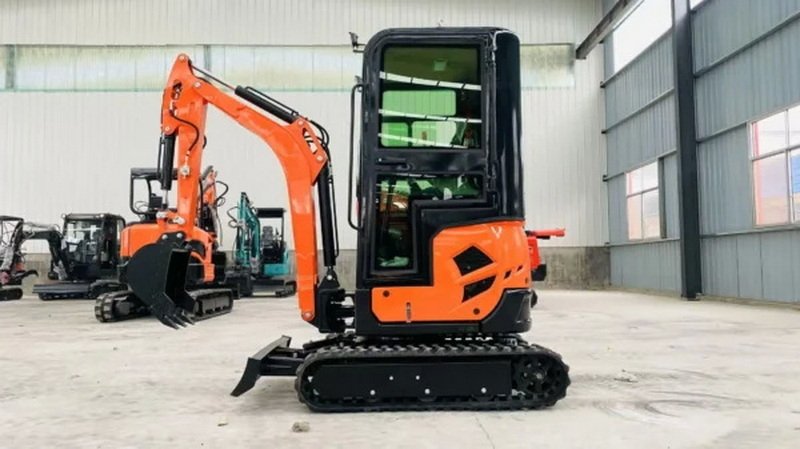
Step 7: Maintenance and Total Cost of Ownership
A compact excavator is a long‑term investment. To maximize ROI, consider:
1. Maintenance Requirements
– Daily checks: fluid levels, tracks, hoses, and filters
– Regular greasing of pivot points and pins
– Scheduled oil and filter changes (follow manufacturer’s intervals)
– Inspection of undercarriage (tracks, rollers, idlers)
Look for models with easy access to filters and service points and longer maintenance intervals to reduce downtime.
2. Fuel and Operating Costs
– Compare fuel consumption (L/h or gal/h) under similar conditions.
– Consider auto‑idle, auto‑shutdown, and eco modes to save fuel.
– Factor in tyre/track life, filter costs, and labour for routine maintenance.
3. Resale Value and Depreciation
– Compact excavators from well‑known brands with strong dealer support tend to hold value better.
– Machines with low hours, good maintenance records, and popular configurations command higher resale prices.
Step 8: How Certeg Compact Excavators Compare to Leading Brands
Certeg offers a range of compact and mini excavators (0.6–6 ton) designed for global markets, with features that directly compete with major brands like Bobcat, Kubota, and Caterpillar.
Certeg CT25 / CT35U Mini Excavator Highlights
– Operating weight: 2.5–3.5 ton
– Engine options: Yanmar or Kubota diesel engines (25–35 kW)
– Digging depth: Up to 3.5–4.2 m
– Zero tail swing design for working in tight spaces
– Swing boom option for improved reach and versatility
– Hydraulic thumb ready and quick‑attach coupler for fast attachment changes
– Ergonomic cab with A/C, suspension seat, and excellent visibility
Key Advantages vs. Competitors
– High breakout force for its class, ideal for trenching and light demolition
– Compact width (often under 1.2 m) for easy transport and backyard access
– Customizable configurations (engine, arm length, attachments) to match regional needs
– Competitive pricing with strong durability for rental and contractor fleets
Step 9: Safety and Operator Training Best Practices
Safety is non‑negotiable on any jobsite. Follow these best practices.
Pre‑Operation Checks
– Inspect tracks, hoses, and hydraulic lines for leaks or damage.
– Check fluid levels (engine oil, hydraulic oil, coolant).
– Ensure all lights, alarms, and safety devices are working.
Safe Operation Tips
– Always wear a seatbelt and PPE (hard hat, gloves, safety glasses).
– Keep the attachment low when traveling to improve stability.
– Never swing over people or obstacles.
– Use spotters when working near walls, structures, or underground utilities.
Training and Certification
– Ensure operators are trained and certified according to local regulations (e.g., OSHA, national standards).
– Use VR simulators or on‑site training to improve skills in trenching, grading, and attachment use.
– Provide regular refresher training on new machines and safety procedures.
Step 10: Making the Final Decision – Your Action Plan
To choose the best compact excavator for your business, follow this 10‑step checklist:
1. Define your most common jobs (landscaping, trenching, demolition, etc.).
2. Select the right size class (micro, small, medium, large compact).
3. Set a budget (new vs. used, financing options).
4. Compare key specs (digging depth, reach, breakout force, lifting capacity).
5. Choose tail swing type (zero tail swing for tight spaces).
6. Evaluate cab comfort and features (A/C, visibility, controls).
7. Plan your core attachments (bucket, grapple, auger, breaker).
8. Review maintenance and operating costs (fuel, filters, service intervals).
9. Check dealer support and warranty (parts availability, service network).
10. Test the machine on a real job if possible, or request a detailed spec sheet and comparison.
Ready to Find Your Perfect Compact Excavator?
If you’re evaluating compact or mini excavators for your fleet, now is the time to act. Whether you need a 1.5‑ton mini for landscaping or a 5‑ton compact for road and bridge work, Certeg’s range is built to deliver power, precision, and long‑term value.
Contact our sales team today to:
– Get a free, customized excavator recommendation based on your typical jobs
– Download detailed spec sheets and comparison tables
– Arrange a demo or site visit with a Certeg compact excavator
Make your next excavator purchase a smart investment—reach out now and let’s build your ideal machine together.
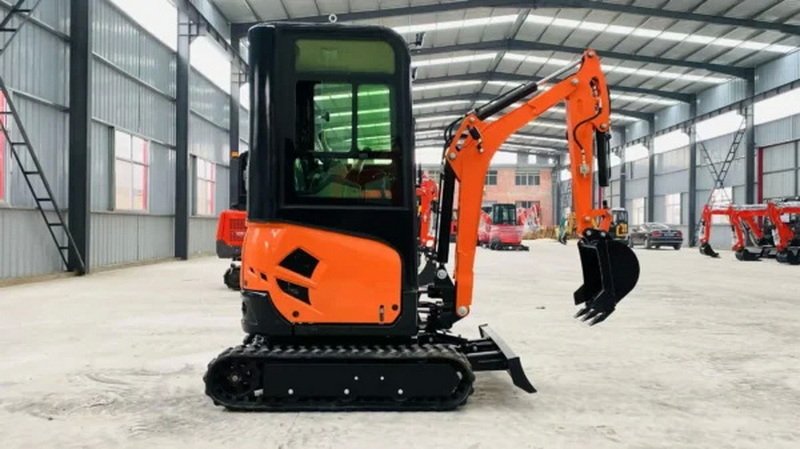
Frequently Asked Questions (FAQ)
1. What is the best compact excavator size for landscaping?
For most landscaping jobs (grading, tree work, small retaining walls), a 1.5–3 ton mini excavator is ideal. It’s compact enough for backyards and alleys, yet powerful enough for grading and light digging.
2. How deep can a 3‑ton mini excavator dig?
A typical 3‑ton compact excavator can dig 3–4 meters deep, depending on the arm configuration. Models with long arms or extendable arms can reach 4–4.5 meters, suitable for most residential foundations and utility trenches.
3. What attachments should I buy first for a compact excavator?
Start with:
– A general‑purpose bucket for digging and loading
– A trenching bucket for utility work
– A grapple or hydraulic thumb for handling debris and logs
– An auger for drilling holes (if you do fencing or foundations)
4. Is zero tail swing worth the extra cost?
Yes, for most contractors and rental fleets. Zero tail swing allows safe operation next to walls, foundations, and structures, reducing damage risk and increasing versatility. The higher resale value often offsets the initial cost.
5. How often should I service a compact excavator?
Follow the manufacturer’s schedule, but typical intervals are:
– Daily: visual checks, fluid levels
– Every 50–100 hours: greasing, filter checks
– Every 250–500 hours: oil and filter changes, undercarriage inspection
Regular maintenance extends machine life and reduces costly repairs.
Hot Tags:Excavator Bobcat, Bob Cat Excavators, Bobcat With Excavator,Excavator Buying Guide, Excavator Articles And Resources, Compact Excavators, Mini Excavator Guide, Excavator Attachments, Excavator Maintenance Tips , Excavator Selection Guide