
How Easy Access Turns Compact Excavator Maintenance Into Profits for Your Jobsite
Content Menu
● What Does “Easy Access” Maintenance Really Mean?
● Why Easy Maintenance Access Matters for Compact Excavators
● Essential Maintenance Access Points to Look For
>> Engine and Fluid Service Area
>> Electrical and Starting Components
● Building a Smart Excavator Maintenance Schedule
>> Use the Operation & Maintenance Manual as Your Baseline
>> Daily Compact Excavator Maintenance Checklist
>> Stocking Maintenance and High-Wear Parts
● Comparing Easy-Access vs Hard-Access Excavator Designs
● Practical Steps to Evaluate Maintenance Access Before Buying
>> Step-by-Step On-Site Evaluation
● Partnering With Dealers and OEMs for Better Uptime
>> How a Dealer Can Support Excavator Maintenance
● Easy Access Beyond Excavators – Building a Multi-Machine Strategy
● Where to Place Visual Elements for Better User Experience
● Clear, Targeted Call to Action
● FAQs About Compact Excavator Maintenance Access
>> 1. Why is easy access so important for compact excavator maintenance?
>> 2. Which components should be easiest to reach on a compact excavator?
>> 3. How often should a mini excavator be inspected?
>> 4. What are signs that an excavator is difficult to maintain?
>> 5. How can a dealer help improve excavator uptime?
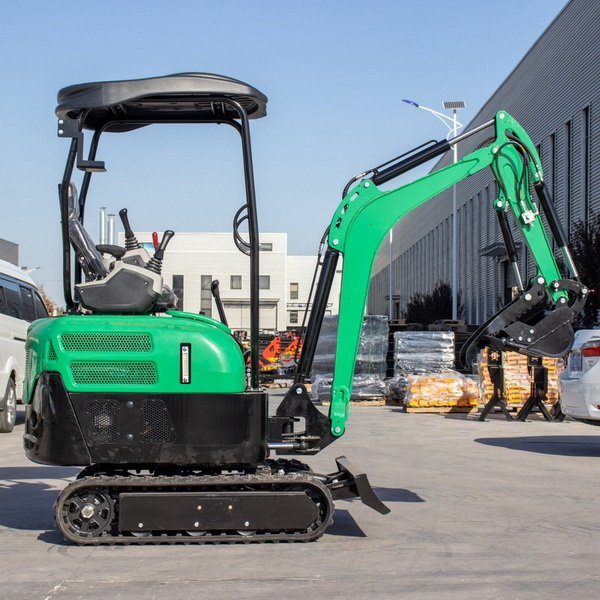
Easy access maintenance on a compact or mini excavator means critical components are reachable quickly and safely without disassembly or special tools. This design approach reduces inspection time, prevents skipped service tasks, and extends the machine’s working life for contractors and fleet owners.
From an ownership perspective, an excavator built for easy maintenance access lowers total cost of ownership (TCO), improves uptime during peak seasons, and keeps operators more productive on every shift.
What Does “Easy Access” Maintenance Really Mean?
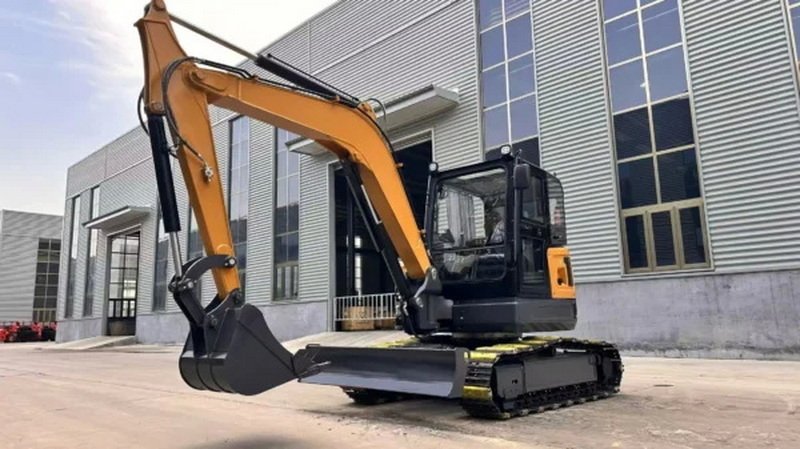
“Easy access” describes how quickly and safely an operator or technician can reach all the key service points on the machine. When a compact excavator is designed with maintenance in mind, panels open wide, components are grouped logically, and most checks can be completed from ground level.
In practice, this means less time spent hunting for filters or dipsticks, fewer tools required, and fewer excuses to skip important daily and weekly checks. It also means that new team members can be trained faster and can perform inspections confidently after a brief walk-through.
Why Easy Maintenance Access Matters for Compact Excavators
A compact excavator often runs long hours in tight urban or residential jobsites where every minute of uptime counts. When service points are buried behind panels or difficult to reach, daily checks are skipped and minor issues grow into expensive failures.
– Lower labor cost per service interval due to faster inspections.
– Fewer breakdowns caused by neglected filters, low fluids, or loose components.
– Safer maintenance, since technicians are not forced to overreach or climb.
– Higher resale value, because well-maintained machines show fewer leaks and wear.
These benefits compound over the life of the machine, turning easy access from a “nice-to-have” feature into a measurable business advantage.
Essential Maintenance Access Points to Look For
When evaluating a compact or mini excavator, examine how quickly an operator can reach core service items during a walk-around. The most efficient designs group components logically behind wide-opening tailgates and side panels.
Engine and Fluid Service Area
For daily checks and scheduled service, the following points should be clearly visible and physically accessible when a single main panel or tailgate is opened:
– Engine oil dipstick and fill port for fast level checks and top-offs.
– Engine coolant bottle and fill with clear sight lines to minimum and maximum marks.
– Fuel filter and water separator positioned high enough to drain and replace without spillage.
– Air filter with an easy-open housing and enough clearance to remove the element.
– Accessory belts visible for tension and wear inspection.
A compact excavator that places these items at chest level, behind one large door, will cut daily inspection time dramatically compared with machines that scatter components behind multiple small panels.
Hydraulic System Access
Hydraulic components are the backbone of a compact excavator’s performance. Poor access can turn a simple hose inspection or leak repair into unnecessary downtime.
– Hydraulic oil tank, fill, and gauge grouped together and readable from ground level.
– Control valve accessible for visual leak checks and diagnostics.
– Cooling core and hydraulic cooler reachable for cleaning with air or water to avoid overheating.
Machines that offer wide-swinging side panels or lift-up platforms around the hydraulic system simplify preventive maintenance and speed up troubleshooting.
Electrical and Starting Components
Electrical reliability is crucial for cold starts and long workdays. Grouping electrical components in a protected yet accessible area helps avoid nuisance failures.
– Battery location with secure mounting but minimal tools required for replacement.
– Starter and alternator visibility for quick inspection and test-lead access.
– Clearly labeled fuses and relays in a sealed but reachable compartment.
These features make on-site electrical diagnostics faster, especially for fleets operating in remote or rural projects.
Building a Smart Excavator Maintenance Schedule
A well-designed excavator is only as reliable as its maintenance plan. Even with excellent access, skipping service intervals can lead to premature wear, unexpected downtime, and higher fuel consumption.
Use the Operation & Maintenance Manual as Your Baseline
Every compact excavator includes an Operation & Maintenance Manual that lists required service tasks and intervals for the engine, hydraulic system, and undercarriage. This document should be the primary reference for maintenance planning.
– Daily visual inspections and fluid level checks.
– 50–250 hour service for filters, lubrication, and torque checks.
– 500–1000 hour intervals for oil changes, coolant replacement, and deeper inspections.
Most manufacturers also provide downloadable service schedules that can be integrated into digital maintenance systems or printed and posted in the workshop.
Daily Compact Excavator Maintenance Checklist
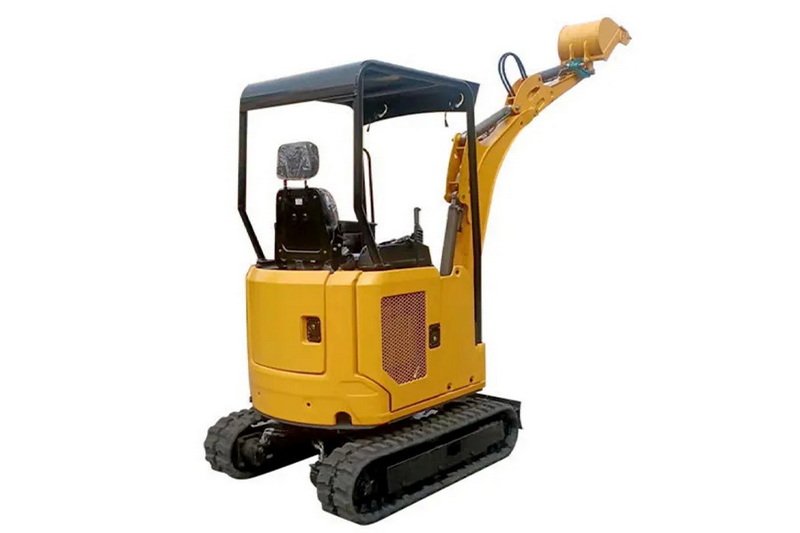
Daily checks take only a few minutes when components are easy to reach, yet they protect the investment over thousands of operating hours. A standard daily walk-around should cover:
Undercarriage inspection
– Inspect tracks, rollers, idlers, and drive sprockets for leaks, cracks, missing bolts, or abnormal wear.
– Remove packed mud, concrete, or debris that can accelerate wear.
Fluid and filter check
– Confirm engine oil, hydraulic oil, coolant, and fuel levels are within the recommended range.
– Look for dark, contaminated, or aerated fluids that may signal problems.
Leaks and loose components
– Walk around the machine and inspect under the boom, around the swing frame, and beneath the machine for drips, stains, or lines rubbing.
– Check guards, covers, and handrails for secure mounting.
Cab and safety systems
– Test horn, lights, indicators, and emergency stop functions.
– Ensure mirrors, cameras, and displays are clean and clearly visible.
Attachment and coupler
– Inspect bucket teeth, cutting edges, and quick coupler locks for damage or excessive wear.
Completing this checklist is far more likely when all inspection zones are accessible at ground level and panels open fully.
Stocking Maintenance and High-Wear Parts
To avoid expensive downtime, keep a dedicated inventory of regular maintenance parts and high-wear items for each excavator model in the fleet. This strategy allows technicians to complete service tasks immediately when issues appear.
– Engine oil, hydraulic oil, and coolant approved by the manufacturer.
– Fuel, oil, air, and hydraulic filters.
– Track pads, rollers, and other undercarriage components for high-usage machines.
– Fuses, bulbs, and common hydraulic hose sizes used on the equipment.
Well-planned inventory ensures that seasonal peak demand does not translate into unexpected machine downtimes.
Comparing Easy-Access vs Hard-Access Excavator Designs
Selecting a compact excavator with poor access can lock a business into higher lifetime costs. Evaluating access during the buying phase helps avoid hidden maintenance expenses later.
| Feature / Aspect | Easy-access compact excavator | Hard-access compact excavator |
| Panel design | Wide, high-opening tailgate and side doors for full reach. | Multiple small panels requiring tools and awkward positions. |
| Daily inspection time | Approximately 5–10 minutes; most points at ground level. | Often 15 minutes or more; some checks skipped due to difficulty. |
| Likelihood of skipped maintenance | Low, because tasks are fast and convenient. | High, especially under time pressure. |
| Risk of accidental damage during service | Low, since components are visible and clearly organized. | Higher, due to cramped spaces and forced disassembly. |
| Total cost of ownership over life | Reduced, through fewer major repairs and longer component life. | Increased, due to neglect-related failures. |
This comparison shows why access should be a core purchasing criterion alongside power, digging depth, and attachment compatibility.
Practical Steps to Evaluate Maintenance Access Before Buying
Contractors and fleet managers can follow a structured inspection process to judge how service-friendly a compact excavator really is. This process should be part of every demo or dealer visit.
Step-by-Step On-Site Evaluation
Open all service panels
– Confirm tailgate and side doors open wide without interference.
– Check whether panels can stay open securely in windy outdoor conditions.
Simulate a daily inspection
– Time how long it takes to check engine oil, coolant, hydraulic oil, fuel filter, and air filter.
– Check whether all tasks can be completed safely from the ground.
Simulate a filter change
– Observe clearances for removing and installing filters without spilling fluids.
– Check whether special tools are needed or other components must be removed first.
Assess undercarriage serviceability
– Inspect how easily tracks, rollers, idlers, and drive motors can be cleaned and inspected.
Evaluate electrical access
– Locate battery, fuses, and main harness connections.
– Confirm that jump-starting and battery replacement can be done safely.
Recording these observations on a simple scoring sheet helps compare compact excavators objectively based on their maintenance friendliness.
Partnering With Dealers and OEMs for Better Uptime
Even with strong in-house maintenance practices, collaboration with an authorized dealer or OEM partner further reduces downtime. Dealers can provide on-site support and advanced diagnostics that complement internal maintenance teams.
How a Dealer Can Support Excavator Maintenance
– On-site parts and service to handle complex repairs without hauling machines to the workshop.
– Access to manufacturer-approved software and diagnostic tools for engine and hydraulic systems.
– Scheduled maintenance contracts that align with utilization and seasonal workload.
– Training for operators and technicians on correct daily checks and service procedures.
For global buyers, choosing a brand with an established international dealer network is critical to sustaining uptime as projects expand into new regions.
Easy Access Beyond Excavators – Building a Multi-Machine Strategy
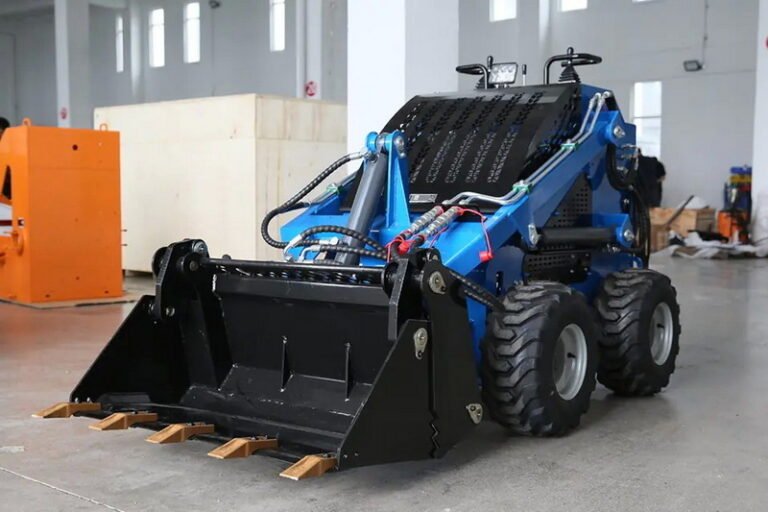
Many fleets include not only compact excavators but also skid steer loaders, road rollers, forklifts, tractors, and crawler transporters. Applying the same easy-access principles across all equipment types simplifies training and reduces overall maintenance cost.
– Standardize on machines that group filters, fluids, and electrical components in predictable locations.
– Use common service intervals where possible to consolidate downtime across multiple machines.
– Train technicians using cross-platform maintenance modules so skills transfer between excavators, loaders, and other construction equipment.
Manufacturers that design for ease of maintenance across their entire product line help owners optimize long-term fleet performance and minimize unplanned downtime.
Where to Place Visual Elements for Better User Experience
To strengthen user engagement and clarity, consider adding visuals at these points:
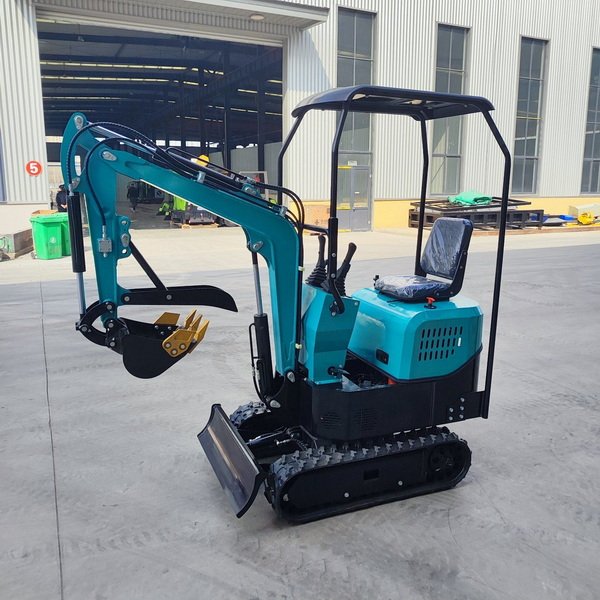
– Top of the article: Hero image of a compact excavator with open tailgate, showing major access points.
– In “Essential Maintenance Access Points”: Annotated diagram with numbered callouts for engine, hydraulic, and electrical service points.
– In “Daily Maintenance Checklist”: Short explainer video demonstrating a full daily inspection.
– In the comparison section: Simple chart or infographic comparing maintenance hours on easy-access vs hard-access machines.
– Near the CTA: Photo of a service team, dealer network, or a fleet of machines ready for delivery.
These elements make the guide more skimmable and support both new and experienced equipment owners.
Clear, Targeted Call to Action
Compact and mini excavators designed for easy maintenance access deliver more reliable performance, lower TCO, and safer daily operation for contractors and fleet owners worldwide. By prioritizing service-friendly designs, structured daily checks, and strong dealer partnerships, equipment managers can protect their investment and keep projects on schedule.
If you are planning to upgrade or expand your fleet of compact excavators, skid steer loaders, road rollers, forklifts, tractors, or crawler transporters, now is the right time to evaluate equipment built for faster, safer, ground-level maintenance. Reach out to a trusted construction machinery supplier, request a maintenance-focused demonstration, and choose machines that combine the power your projects demand with the easy access your technicians need for long-term reliability.
FAQs About Compact Excavator Maintenance Access
1. Why is easy access so important for compact excavator maintenance?
Easy access reduces the time and effort required to complete daily inspections and scheduled services, which means maintenance is more likely to be done correctly and on time. This lowers the risk of unexpected failures and extends the life of critical components.
2. Which components should be easiest to reach on a compact excavator?
The most important access points include engine oil and coolant, hydraulic oil tank and gauge, fuel and air filters, accessory belts, battery, starter, alternator, and the main control valve. These items are central to daily checks and routine service.
3. How often should a mini excavator be inspected?
A basic walk-around inspection should be done every day or every shift, covering fluids, undercarriage, leaks, safety systems, and attachments. More in-depth checks follow the intervals in the Operation & Maintenance Manual, typically based on engine hours.
4. What are signs that an excavator is difficult to maintain?
Warning signs include cramped service compartments, multiple small panels that require tools, components placed above shoulder height, and filters that are blocked by other parts. These design choices discourage proper maintenance and lead to higher long-term costs.
5. How can a dealer help improve excavator uptime?
A strong dealer offers on-site service, genuine parts, advanced diagnostics, and structured training for operators and technicians. This support complements in-house maintenance programs and ensures that complex issues are addressed quickly.
Hot Tags:Mini Excavator Maintenance, Compact Excavator Maintenance, Easy Access Maintenance, Excavator Service Access, Mini Excavator Service, Excavator Preventive Maintenance, Compact Excavator Service, Excavator Maintenance Tips, Mini Excavator Easy Access, Excavator Maintenance Guide