
3–4 Ton Mini Excavators in 2026: In‑Depth Guide from a Global OEM Manufacturer
Content Menu
● What Makes 3–4 Ton Mini Excavators So Popular?
● Key Buying Criteria for 3–4 Ton Mini Excavators
>> 1. Operating Weight, Dig Depth and Reach
>> 2. Hydraulics and Attachment Capability
>> 3. Tail Swing Profile and Jobsite Space
>> 4. Operator Environment and Safety
● Industry Trends Shaping 3–4 Ton Mini Excavators in 2026
>> Growing Global Demand for Compact Machines
>> Electrification and Low‑Emission Machines
>> Data, Telematics and Fleet Optimization
● How Certeg Approaches the 3–4 Ton Mini Excavator Segment
● Practical Checklist: How to Choose Your 3–4 Ton Mini Excavator
>> Step 1: Define Your Primary Use Cases
>> Step 2: Map Jobsite Constraints
>> Step 3: Balance Power, Control, and Comfort
>> Step 4: Evaluate Lifecycle Costs and Support
● Where a Certeg 3–4 Ton Excavator Fits in Your Fleet
● FAQs: 3–4 Ton Mini Excavators and Certeg
>> 1. Why are 3–4 ton mini excavators considered the “sweet spot” for contractors?
>> 2. When does it make sense to choose an electric 3–4 ton excavator?
>> 3. What should I look for in hydraulics on a 3–4 ton excavator?
>> 4. How does Certeg differentiate its 3–4 ton machines from big-brand competitors?
>> 5. What is the long‑term outlook for mini excavator demand?
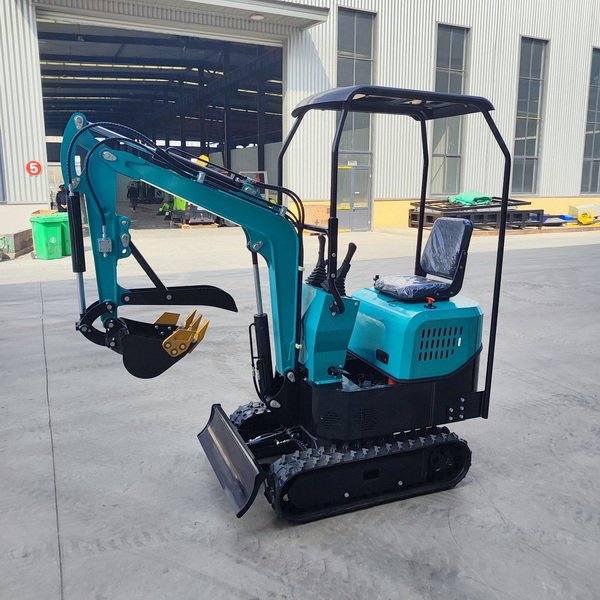
Mini excavators in the 3–4 ton class have quietly become the “sweet spot” for modern jobsites, offering the best balance of power, transportability, and maneuverability for contractors, rental fleets, and owner‑operators. Drawing on my field experience with buyers from North America to Europe, and on Certeg‘s manufacturing perspective, this guide goes beyond model lists to explain how to choose and spec the right 3–4 ton mini excavator for real‑world work in 2026. [compactequip]
What Makes 3–4 Ton Mini Excavators So Popular?
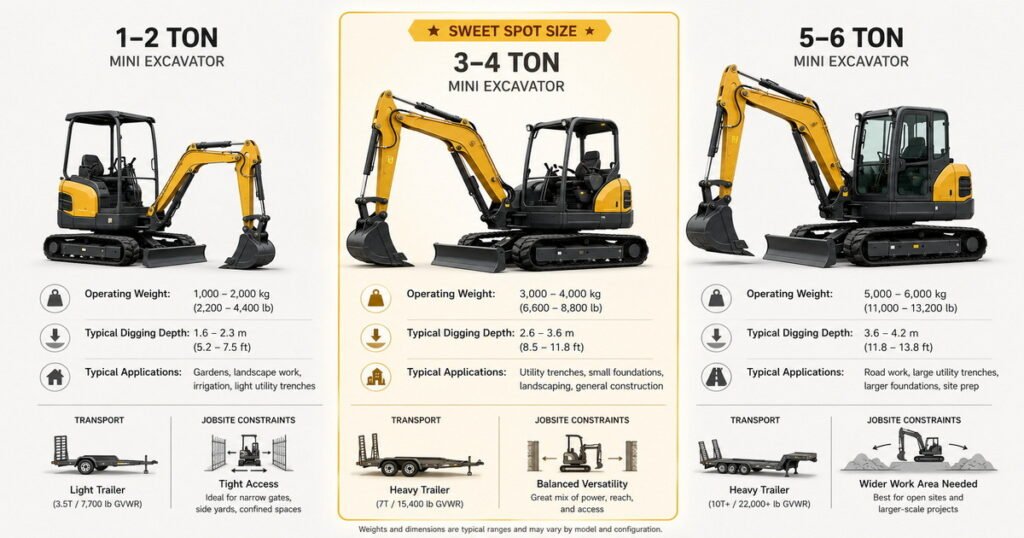
The 3–4 metric ton segment now accounts for one of the most popular mini excavator size classes in North America, because it combines serious digging capacity with true compact dimensions. Contractors use these machines for trenching, service line installation, small foundations, hardscape preparation, and light demolition, while landscapers and rental fleets value their ability to work in tight urban lots and residential backyards. [linkedin]
From an owner’s point of view, the appeal is straightforward: lower operating costs, easier transport, and higher utilization compared with larger excavators. Many models can be hauled with a light truck and tag‑along trailer in markets where regulations allow, which reduces logistics friction and makes it easier for smaller crews to move between jobs in a single day. [linkedin]
Key Buying Criteria for 3–4 Ton Mini Excavators
When I sit down with contractors evaluating 3–4 ton machines, I usually walk through the same framework. Price matters, but total productivity over the machine’s life is what really protects your margin.
1. Operating Weight, Dig Depth and Reach
– Operating weight: Most 3–4 ton excavators are light enough for flexible transport yet heavy enough to stabilize a wide bucket or breaker.
– Dig depth: Typical digging depths in this class are around 10–11 ft, enough for common utility trenches, drainage, and footing work.
– Reach: Look for a maximum reach around or above 13–14 ft if you routinely dig from one side of a trench or load trucks over a berm.
These three metrics directly influence cycle times and how many passes your operator needs to finish a task, which is where real‑world productivity lives.
2. Hydraulics and Attachment Capability
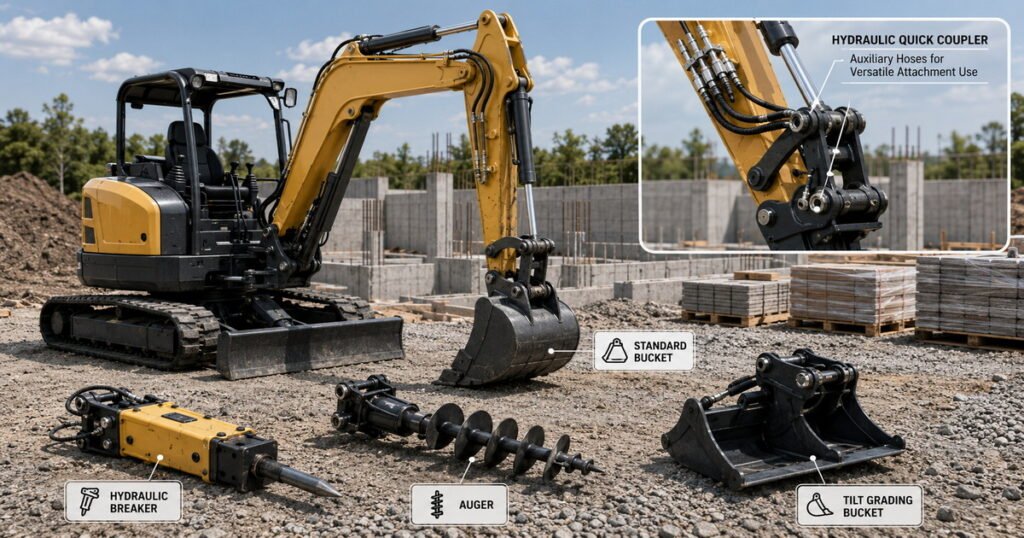
Modern 3–4 ton units are true multi‑tool carriers rather than “just diggers.” In practice, you should pay close attention to:
– Primary auxiliary hydraulic flow, which drives attachments such as augers, flail mowers, and breakers.
– Selectable work modes and flow control, so operators can match flow output to sensitive tools like tilt buckets or mulchers.
– Quick‑coupler readiness, which enables faster attachment changes and higher daily utilization.
For rental yards and contractors working a mixed fleet, this flexibility is often more valuable than a small difference in raw horsepower.
3. Tail Swing Profile and Jobsite Space
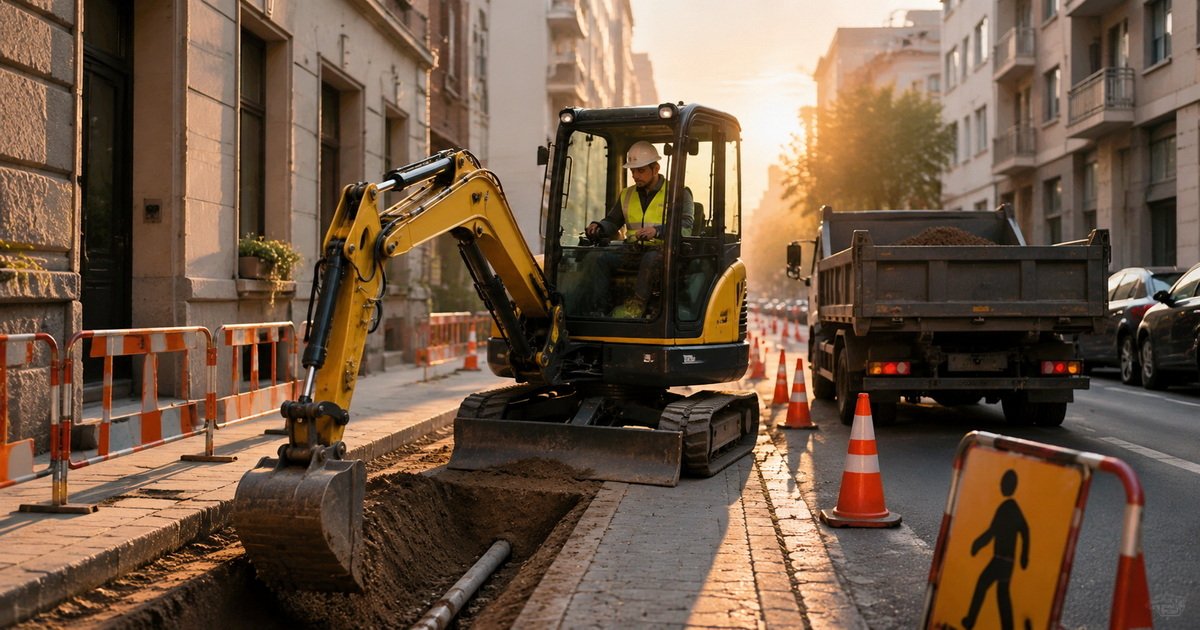
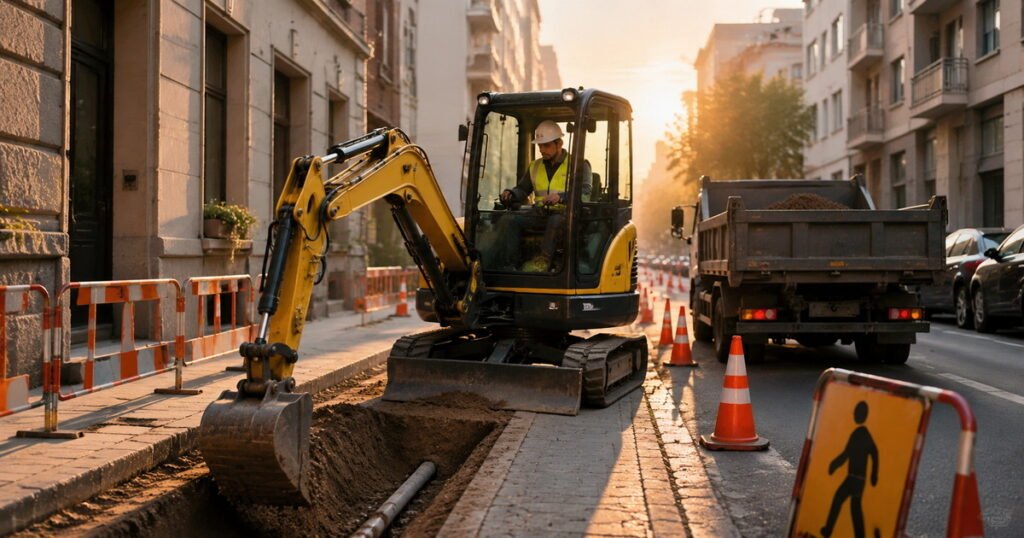
On congested jobsites, zero or reduced tail swing is not a luxury; it is a risk‑management decision. Machines with zero tail swing, such as several models highlighted in industry round‑ups, allow operators to rotate fully without overhanging obstacles or traffic lanes, which reduces accident risk and rework.
If you primarily work in open rural sites, a conventional tail swing may offer slightly better stability at extreme reaches, but for urban jobs, narrow alleys, and roadside utilities, zero tail swing usually wins.
4. Operator Environment and Safety
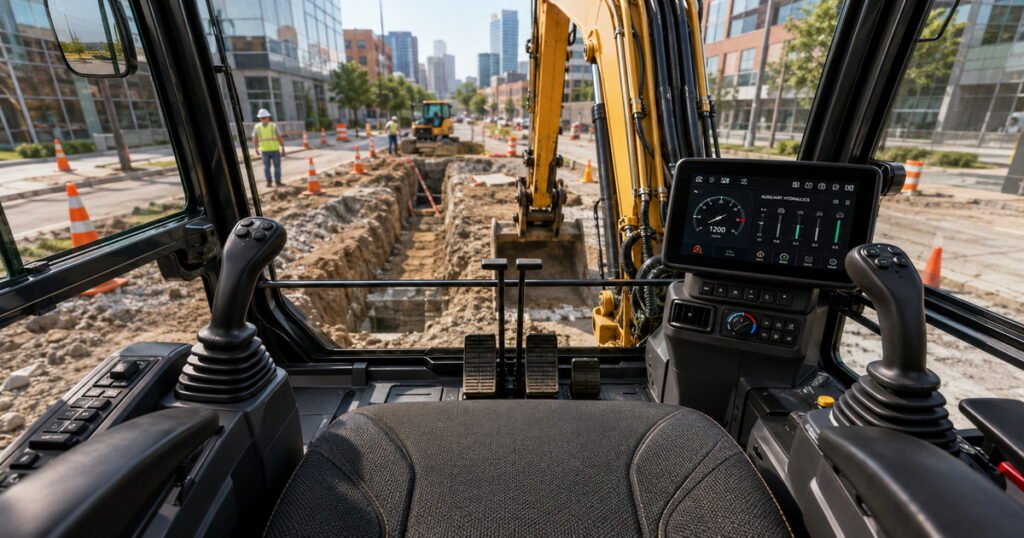
Experienced fleet managers know that operator comfort and safety directly influence productivity. Contemporary 3–4 ton models now feature:
– Spacious cabs with ergonomic joystick layout and better visibility.
– Climate control for all‑season operation in both hot and cold regions.
– Cameras, reinforced front guards, and certified protective structures when using breakers, mulchers, or working under overhead hazards.
Contractors running two shifts or year‑round work see the payoff in lower fatigue, fewer mistakes, and higher retention of skilled operators.
Industry Trends Shaping 3–4 Ton Mini Excavators in 2026
Looking beyond individual models, several macro‑trends are reshaping how buyers and manufacturers think about this size class.
Growing Global Demand for Compact Machines
The global mini excavator market is forecast to grow at an annual rate of about 7.4% between 2026 and 2033, driven by urbanization, infrastructure upgrades, and increased landscaping activity. As cities densify, access becomes more constrained, which makes compact, agile machines far more attractive than full‑size excavators for many day‑to‑day tasks. [lishidefactory]
Export data and buyer behavior show strong demand for mini units in Europe and other mature markets, including niche uses like garden renovation and hobby projects, where homeowners appreciate precise digging with less ground damage. [m.yicai]
Electrification and Low‑Emission Machines
Electric mini excavators, such as the 3–4 ton class TB20e, are no longer “concept machines” but practical tools that can work a full shift in many applications. With 4–8 hours of runtime and the option to run while tethered to a charger, these units allow contractors to work in tunnels, indoor spaces, or highly regulated urban environments where diesel exhaust is restricted. [linkedin]
From a fleet‑planning perspective, a mixed portfolio of diesel and electric 3–4 ton machines can help contractors satisfy bid requirements, reduce neighborhood complaints about noise, and position themselves for tighter environmental regulations.
Data, Telematics and Fleet Optimization
Telematics solutions, like those integrated into some modern 3–4 ton models, are becoming standard tools rather than optional extras. Fleet managers use live data to: [linkedin]
– Monitor utilization by machine and jobsite.
– Plan preventative maintenance around actual engine hours.
– Track fuel consumption and idle time to coach operators.
As tighter project timelines and labor shortages squeeze margins, data‑driven fleet decisions around these compact excavators can deliver a measurable competitive advantage. [linkedin]
How Certeg Approaches the 3–4 Ton Mini Excavator Segment
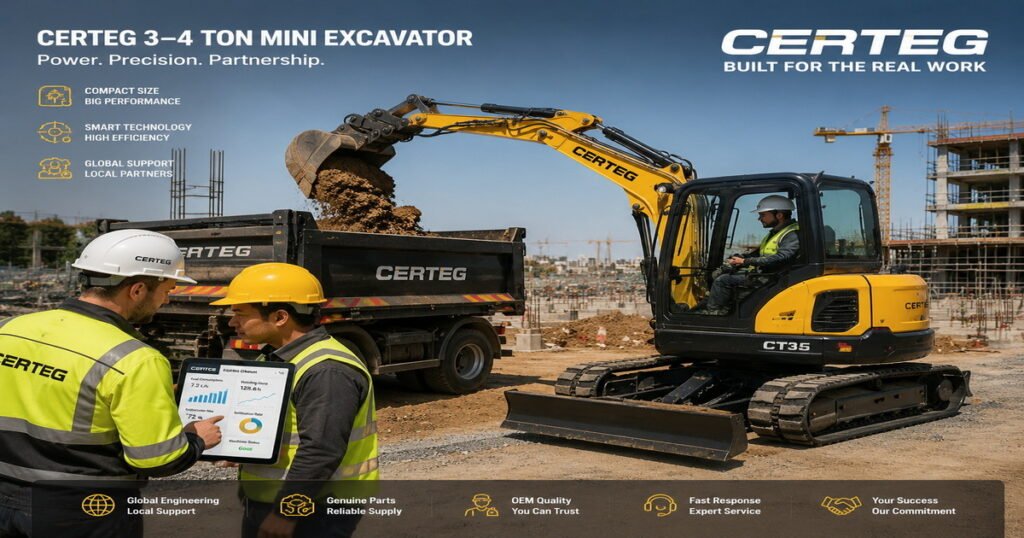
Certeg operates as a dedicated manufacturer of excavators and related construction machinery, serving buyers who need reliable powertrains and durable structures tailored to varied global conditions. In the 3–4 ton class specifically, our design philosophy is guided by three principles drawn from years of export experience and end‑user feedback. [facebook]
1. Match power and hydraulics to real jobs, not spec sheet extremes. We calibrate engines and pumps for stable multi‑function operation—swinging, booming, and tracking simultaneously—because that’s how operators actually work.
2. Design for tight, messy jobsites first. Narrow frames, refined swing geometry, and responsive controls ensure our machines stay productive in the cramped, obstacle‑rich environments that define modern infrastructure projects. [lishidefactory]
3. Engineer for export reliability. From high‑strength steel structures to globally sourced core components, we build for long service intervals and predictable performance under variable fuel quality and climatic conditions.
In practical terms, that means a Certeg 3–4 ton excavator is spec’d to feel predictable, strong, and forgiving even in the hands of less experienced operators, which is critical for rental applications and fast‑growing contractors.
Practical Checklist: How to Choose Your 3–4 Ton Mini Excavator
From my experience reviewing dozens of purchase decisions, the buyers who make the best long‑term choices tend to follow a structured checklist rather than relying on a single spec or brand impression.
Step 1: Define Your Primary Use Cases
Write down your top three job types for the next 12–24 months. Examples:
1. Residential utility trenches and service connections.
2. Urban streetscape work with strict noise and traffic constraints.
3. Light demolition and concrete removal in redevelopments.
Your dominant use case will guide whether you prioritize tail swing profile, hydraulic flow, or transport weight.
Step 2: Map Jobsite Constraints
Ask yourself:
– How tight are my typical worksites?
– What are the local transport rules for machine weight and trailer combinations?
– Do I regularly work near live traffic, pedestrians, or inside courtyards?
If your answer includes “tight, busy, and regulated,” zero tail swing and excellent visibility should be non‑negotiable features.
Step 3: Balance Power, Control, and Comfort
When you demo machines (or review detailed spec sheets), pay attention to:
– Smoothness when operating boom, arm, and swing together.
– Cab noise levels and seat/joystick ergonomics over a multi‑hour test.
– Fine control at low travel speeds and when working close to structures.
Experienced operators often prefer a machine with slightly lower peak numbers but far better controllability and cab environment, because it leads to higher output across an entire shift.
Step 4: Evaluate Lifecycle Costs and Support
Look at:
– Service intervals and ease of daily maintenance (filter access, grease points, etc.).
– Availability of parts and local technical support in your region.
– Telematics or remote diagnostic capabilities, especially for multi‑site fleets. [linkedin]
Certeg, for example, focuses on designing machines with accessible service points and standardized components to simplify support, particularly for export markets that rely on third‑party service partners. [facebook]
Where a Certeg 3–4 Ton Excavator Fits in Your Fleet
Based on the patterns we see among international buyers, a Certeg 3–4 ton mini excavator typically plays one of three roles in a fleet:
– Primary compact workhorse: For small contractors and rural builders, it is the main excavator, handling everything from trenching to landscaping.
– Urban specialist: For larger firms, it complements heavier machines by taking over inner‑city and backyard work where access is restricted and low impact is essential. [lishidefactory]
– Rental‑ready all‑rounder: With forgiving controls and robust structure, it works as a versatile rental unit that can handle inexperienced operators without constant downtime.
In all three roles, the goal is the same: deliver consistent productivity per hour of operation, with low downtime and easy integration into the rest of your fleet.
FAQs: 3–4 Ton Mini Excavators and Certeg
1. Why are 3–4 ton mini excavators considered the “sweet spot” for contractors?
They offer a balance of digging power, reach, and operating weight that covers most residential, light commercial, and municipal tasks, while remaining easy to transport and maneuver on congested sites. [linkedin]
2. When does it make sense to choose an electric 3–4 ton excavator?
Electric machines are ideal when you work indoors, in dense urban environments with strict emissions rules, or on night projects where low noise is crucial; their 4–8 hour runtime and tethered operation make them practical for many shift patterns.
3. What should I look for in hydraulics on a 3–4 ton excavator?
Focus on auxiliary flow capacity, adjustable work modes, and quick‑coupler readiness so you can run multiple attachments efficiently and switch between them with minimal downtime.
4. How does Certeg differentiate its 3–4 ton machines from big-brand competitors?
Certeg focuses on robust structures, globally sourced key components, and tuning engines and hydraulics for real‑world, simultaneous multi‑function operation, especially on tight and challenging jobsites in export markets. [facebook]
5. What is the long‑term outlook for mini excavator demand?
Analysts expect the mini excavator market to grow at around 7.4% annually through 2033, driven by urbanization, infrastructure programs, and rising demand for compact machinery that performs heavy work in restricted spaces. [linkedin]
References
1. Compact Equipment – “The Top 3‑ to 4‑Metric‑Ton Mini Excavators on the Market”, Feb 6, 2025. [Link]
2. LinkedIn – “Market Insights: Mini Excavator Sector (2026–2033) with Expected CAGR”, Apr 18, 2026. [linkedin]
3. Construction Kenya – “Top Mini Excavator Brands in 2026 – Buyer’s Guide”. [constructionkenya]
4. Bobby Ford Kubota – “What Is the Best Mini Excavator? – Comparison Chart & Guide”. [bobbyfordkubota]
5. DOZR Blog – “Comparing All Mini Excavator Brands: Your Ultimate Guide”. [dozr]
6. Lishide – “2026 Best Narrow Body Excavator Features and Innovations”. [lishidefactory]
7. Shandong Certeg Machinery – Official social profile and brand communications. [instagram]
Hot Tags: Excavator, Manufacturers, Customized, Custom, Suppliers, Buy, Cheap, Quality, Advanced, Durable, in Stock, Made in China, Price, Quotation