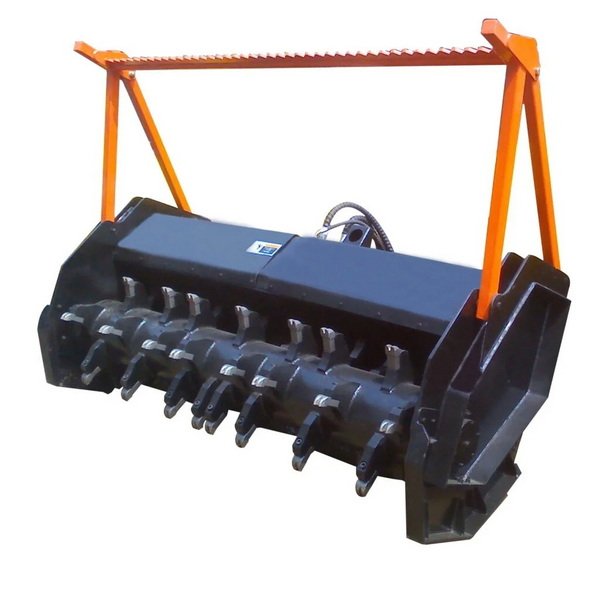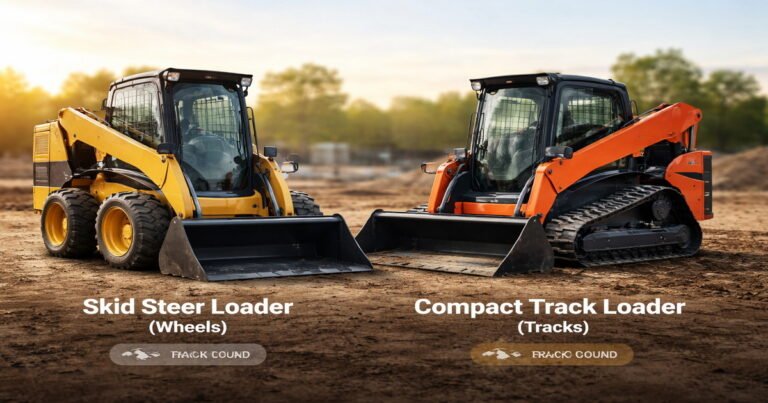

Auger Insights: Complete Maintenance and Performance Guide for Hole Digger Attachments on Skid Steers, Track Loaders, and Heavy Equipment
Content Menu
● Understanding Auger Attachment Systems and Components
● Daily Pre-Operation Inspection Protocol
>> Structural Integrity Verification
>> Fastener Security Assessment
>> Hydraulic System Evaluation
>> Planetary Gear Oil Level Verification
>> Cutting Tool Condition Assessment
● Lubrication Requirements and Schedules
>> Planetary Gear Reduction Maintenance
>> Collar Interface Lubrication
>> Pivot Point and Bearing Maintenance
● Hydraulic System Contamination Prevention
>> Filter and Oil Change Protocols
>> Connection Hygiene Practices
● Long-Term Service and Component Replacement
>> Quarterly Torque Verification
>> Monthly Wear Component Inspection
>> Hydraulic Hose Replacement Schedule
● Cold Weather Operating Considerations
>> Pre-Operation Warming Procedures
>> Low-Temperature Hydraulic Fluid Selection
● Ground Condition-Specific Drilling Techniques
>> Soft Soil and Clay Operations
>> Rocky and Frozen Ground Procedures
● Hydraulic System Compatibility and Flow Requirements
>> Standard Flow vs. High-Flow Systems
>> Pressure Rating Considerations
>> Connection Type Verification
● Critical Safety Protocols for Auger Operations
>> Personal Protective Equipment (PPE) Requirements
>> Regulatory Compliance Standards
>> Hydraulic System Safety Procedures
>> Lockout/Tagout (LOTO) Implementation
>> Safe Working Position Practices
>> Retaining Bolt Specifications
● Troubleshooting Common Auger Performance Issues
>> Excessive Vibration During Operation
>> Hydraulic Motor Overheating
● Performance Optimization Strategies
>> Material Clearing Techniques
>> Proper Downward Pressure Application
>> Post-Operation Cleaning Protocols
● ROI Maximization Through Preventive Maintenance
>> Total Cost of Ownership Reduction
>> Extended Service Life Achievement
>> Operator Safety Enhancement
● Enhance Your Drilling Operations with Professional Equipment Solutions
>> 1. How often should I change the planetary gear oil in my auger attachment?
>> 2. What is the most common cause of premature hydraulic motor failure in auger attachments?
>> 3. Can I use my standard flow skid steer with any auger attachment?
>> 4. Why do my auger teeth wear out so quickly, and how can I extend their service life?
>> 5. What safety precautions are most critical when operating auger attachments?
Auger attachments are indispensable tools in modern construction, landscaping, and agricultural operations, delivering precision drilling capabilities for skid steers, track loaders, excavators, and compact equipment. For contractors and equipment operators seeking maximum productivity and extended service life, implementing a comprehensive maintenance strategy is critical to prevent costly downtime, ensure operator safety, and optimize drilling performance across diverse soil conditions. This authoritative guide provides expert-level maintenance protocols, troubleshooting techniques, and performance optimization strategies backed by industry standards and manufacturer specifications.[1]

Understanding Auger Attachment Systems and Components
Modern hydraulic auger systems consist of several critical components that work synergistically to deliver powerful drilling capabilities. The planetary gear reduction system converts high-speed hydraulic motor rotation into high-torque output suitable for ground penetration. The drive unit housing protects internal components while providing mounting interfaces for various auger bit sizes and configurations.[2][1]
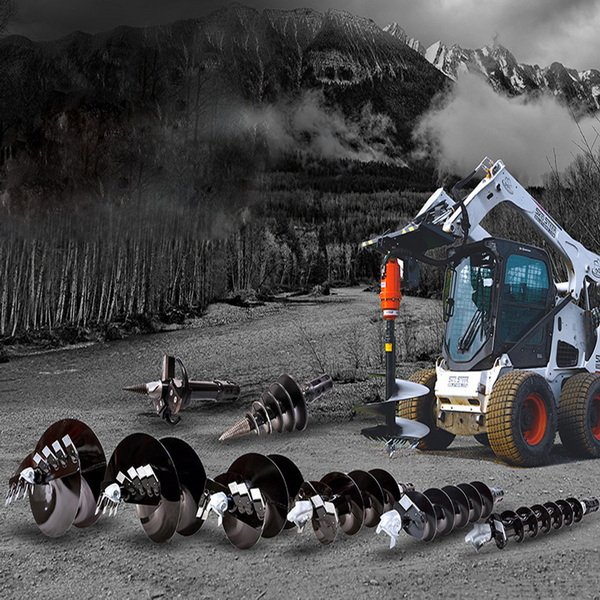
Key components requiring regular attention include the planetary gear reduction unit with oil lubrication systems, hydraulic motors and pressure management systems, drive shaft assemblies and torque transmission mechanisms, auger bits and teeth designed for specific ground conditions, quick-disconnect fittings and hydraulic couplings, and mounting brackets with structural reinforcement points. Understanding these interconnected systems enables operators to identify potential failure points before catastrophic breakdowns occur. The hydraulic motor’s lifespan depends almost entirely on oil cleanliness, making contamination prevention the single most critical maintenance factor.[3][1]
Daily Pre-Operation Inspection Protocol
Establishing a rigorous daily inspection routine dramatically reduces unexpected equipment failures and extends auger attachment service life. Before each operational shift, conduct comprehensive visual and functional assessments to ensure safe and efficient operation.[1]
Structural Integrity Verification
Inspect all structural components for visible damage, including cracked welds, deformed flighting, bent drive shafts, and fractured mounting brackets. Even hairline cracks in high-stress areas can propagate rapidly under operational loads, leading to catastrophic failure. Pay particular attention to weld joints connecting the auger flights to the center shaft, as these areas experience maximum torsional stress during drilling operations.[4][1]
Fastener Security Assessment
Check all bolts, pins, and fasteners to ensure proper torque specifications are maintained. Loose fasteners create excessive vibration, accelerate wear on adjacent components, and can result in complete bit separation during operation. Tooth mounting bolts deserve special scrutiny, as a loose tooth retention bolt may shear the tooth and permanently damage the bit’s ability to accept replacement teeth.[4][1]
Hydraulic System Evaluation
Examine all hydraulic components including hoses, fittings, quick-disconnects, and seals for signs of leakage, abrasion, or degradation. Hydraulic fluid contamination represents the primary cause of premature motor failure, making system cleanliness paramount. Always utilize protective dust caps on all quick-disconnect fittings when not connected to prevent dirt infiltration.[5][3][1]
Planetary Gear Oil Level Verification
Inspect planetary gear oil levels by removing the front fill plug with the drive unit positioned at approximately 30 degrees from vertical. Insufficient lubrication causes accelerated gear wear, overheating, and eventual gearbox failure. The oil should appear clean and translucent; dark, contaminated oil indicates the need for immediate fluid change.[1]
Cutting Tool Condition Assessment
Evaluate auger teeth and cutting edges for wear, damage, or dullness. Worn or rounded teeth significantly reduce penetration efficiency, requiring increased hydraulic pressure and placing additional strain on the entire drive system. Replace worn cutting tools promptly to maintain optimal drilling performance and prevent damage to more expensive drive components.[1]
Lubrication Requirements and Schedules
Proper lubrication forms the foundation of long-term auger attachment reliability, protecting high-load components from premature wear and thermal degradation.[3][1]
Planetary Gear Reduction Maintenance
Change planetary gear oil after the initial 500 operating hours or six months (whichever occurs first), then every 2,000 hours or 12 months for subsequent service intervals. Use only heavy-duty extreme pressure lubricant API-GL-5 85W-140 specification oil, with approximate capacity of 0.90 quarts (0.85 liters). This specialized gear oil provides superior protection under the extreme pressure and shock loads characteristic of auger drilling operations.[1]
Collar Interface Lubrication
Apply grease to the inside diameter of auger or extension collars each time an auger bit or extension is added. This critical step prevents galling, reduces insertion force requirements, and ensures proper component alignment. Use high-quality lithium complex grease for maximum adhesion and water resistance.[3][1]
Pivot Point and Bearing Maintenance
Lubricate all pivot points and bearings approximately every two weeks during active use with high-pressure lithium complex grease. Regular greasing prevents moisture infiltration, reduces friction-generated heat, and extends bearing service life significantly.[3]
Hydraulic System Contamination Prevention
The hydraulic motor’s operational lifespan correlates directly with oil cleanliness, making contamination control the most critical aspect of auger maintenance.[3][1]
Filter and Oil Change Protocols
Follow manufacturer specifications precisely regarding hydraulic filter replacement and oil change intervals. Even microscopic particles in hydraulic fluid cause accelerated wear on precision-machined motor components, leading to reduced efficiency and premature failure not covered by warranty provisions.[1]
Connection Hygiene Practices
Prevent dirt and contaminants from entering the hydraulic system during connection and disconnection procedures. Clean all fittings thoroughly before coupling, and immediately install protective caps on exposed quick-disconnects. Most hydraulic system contamination originates from worn seals and improper handling during bit changes.[3][1]
Storage Best Practices
Store auger attachments vertically on padded racks to prevent shaft deflection and seal deformation. Horizontal storage allows dirt accumulation on seals and may cause permanent bending in longer auger assemblies. Cover stored equipment to minimize dust exposure and moisture contact.[1][3]
Long-Term Service and Component Replacement
Beyond daily maintenance, scheduled long-term service intervals ensure continued reliability and performance optimization.[5][1]
Quarterly Torque Verification
Check mounting bolt torque every three months or after approximately 100-150 drilling cycles. Vibration and thermal cycling gradually reduce fastener preload, compromising structural integrity. Use calibrated torque wrenches to verify all critical fasteners meet manufacturer specifications.[3]
Monthly Wear Component Inspection
Examine tungsten carbide teeth at least monthly for chips, cracks, or excessive wear. These hardened cutting elements are designed for extended service life but require replacement when cutting surfaces become rounded or damaged. Continuing operation with worn teeth increases drilling time, fuel consumption, and stress on drive components.[3]
Hydraulic Hose Replacement Schedule
Replace hydraulic hoses proactively based on age, usage hours, and visual condition rather than waiting for failure. Hoses subjected to repeated flexing, temperature extremes, and environmental exposure degrade internally before external symptoms appear. Most manufacturers recommend replacement every 3-5 years regardless of apparent condition.[5]
Cold Weather Operating Considerations
Extreme temperature conditions require special preparation to prevent equipment damage and ensure safe operation.[3]
Pre-Operation Warming Procedures
When operating in temperatures below minus 40 degrees Celsius (-40°F), heat auger teeth to approximately 150 degrees Fahrenheit (65°C) before use to prevent thermal shock cracking. Cold-soaked steel becomes brittle and susceptible to fracture under impact loads. Allow hydraulic fluid to reach minimum operating temperature before applying full pressure to prevent sluggish operation and potential seal damage.[3]
Low-Temperature Hydraulic Fluid Selection
Use appropriate cold-weather hydraulic oils formulated to maintain proper viscosity at anticipated operating temperatures. Standard hydraulic fluids thicken significantly in cold conditions, reducing flow rates and increasing pressure requirements that may exceed system design limits.
Ground Condition-Specific Drilling Techniques
Optimizing drilling approach based on soil characteristics maximizes productivity, reduces equipment wear, and prevents operational challenges.[2]
Soft Soil and Clay Operations
In cohesive soils and clay, maintain steady downward pressure while allowing the auger to cut at its natural rate. Excessive force compresses material rather than cutting cleanly, leading to plugged flighting and reduced penetration rates. Extract the auger periodically to clear accumulated material from flights.[2]
Rocky and Frozen Ground Procedures
For hard ground conditions, select auger bits specifically designed with reinforced construction and carbide cutting teeth. Apply controlled downward pressure in short drilling intervals, allowing the cutting teeth to chip away material rather than forcing penetration. Monitor hydraulic system temperature and pressure to prevent overheating or excessive stress.[1]
Mixed Condition Strategies
When drilling through transitional soil layers (soft to hard or vice versa), adjust penetration rate and pressure responsively as ground resistance changes. Sudden transition from soft to hard material can cause tooth damage or shaft deflection if excessive downward force is applied.
Hydraulic System Compatibility and Flow Requirements
Understanding hydraulic flow specifications ensures proper matching between carrier equipment and auger attachments.[2]
Standard Flow vs. High-Flow Systems
Standard flow augers typically require 10-20 gallons per minute (GPM) hydraulic flow and are compatible with most compact equipment. High-flow auger drives designed for heavy-duty applications demand 20-40 GPM, necessitating carrier equipment with upgraded hydraulic systems. Operating a high-flow auger on insufficient hydraulic capacity results in reduced torque, slower drilling, and potential motor damage.[2]
Pressure Rating Considerations
Verify hydraulic pressure compatibility between carrier equipment and auger specifications. Excessive pressure can damage internal motor components, while insufficient pressure prevents the auger from developing rated torque. Most industrial auger drives operate in the 2,500-3,500 PSI range under load.
Connection Type Verification
Confirm hydraulic coupling compatibility including fitting sizes, thread types, and pressure ratings before connecting new attachments. Mismatched fittings may appear to connect properly but leak under pressure or separate during operation, creating serious safety hazards.
Critical Safety Protocols for Auger Operations
Implementing comprehensive safety measures protects personnel from serious injury or fatality associated with rotating drilling equipment.[6][7]
Personal Protective Equipment (PPE) Requirements
Operators must wear appropriate PPE including hard hats, safety glasses or face shields, hearing protection, steel-toed safety boots, and protective gloves during all assembly, operation, and maintenance activities. Loose clothing, long hair, jewelry, and dangling accessories must be secured or removed before approaching operating equipment.[6][1]
Regulatory Compliance Standards
OSHA regulations govern auger safety through multiple applicable standards including Machine Guarding (29 CFR 1910.212), Lockout/Tagout procedures (29 CFR 1910.147), and General Duty Clause requirements. Employers must provide workplaces free from recognized hazards and ensure all personnel receive comprehensive safety training before operating auger equipment.[7]
Hydraulic System Safety Procedures
Never check pressurized hydraulic systems for leaks using bare hands. Hydraulic fluid escaping through pinhole leaks under pressure can penetrate skin, causing serious medical emergencies including gangrene, blood poisoning, or death. Use cardboard or wood to locate suspected leaks while wearing appropriate hand and eye protection. If hydraulic fluid injection occurs, seek immediate medical attention regardless of apparent injury severity.[1]
Lockout/Tagout (LOTO) Implementation
Before performing maintenance or clearing jams, completely shut down the carrier equipment and implement proper lockout/tagout procedures. Relieve all hydraulic pressure by cycling controls after engine shutdown. Many auger-related injuries occur during maintenance when equipment unexpectedly starts or residual hydraulic pressure causes movement.[7][1]
Safe Working Position Practices
Never place any body part in positions where injury could occur if unexpected equipment movement happens. Avoid working under hydraulically-supported equipment, as sudden pressure loss can cause rapid component descent even with the engine shut off. Use mechanical supports and blocks when working beneath raised components.[1]
Retaining Bolt Specifications
Never substitute non-specified fasteners for manufacturer-approved auger retaining bolts. Longer protruding fasteners can catch clothing or gloves, pulling operators into rotating equipment and causing severe injury or death. Always use exact bolt lengths specified in equipment documentation.[1]
Worksite Hazard Management
Establish safety perimeters around operating augers to prevent bystanders from entering the danger zone. Flying debris ejected by spinning auger flights can cause serious injuries to personnel positioned too close to drilling operations. Mark underground utilities before drilling to prevent accidental contact with electrical, gas, or communication lines.[8][6]
Troubleshooting Common Auger Performance Issues
Identifying and resolving operational problems quickly minimizes downtime and prevents secondary damage to related components.[5][3]
Reduced Penetration Rate
Symptoms: Slower drilling speed, increased hydraulic pressure requirements, excessive heat generation.
Probable causes: Worn or damaged cutting teeth, insufficient hydraulic flow, plugged auger flights, incorrect bit selection for ground conditions.
Solutions: Inspect and replace worn teeth, verify hydraulic flow meets specifications, clean accumulated material from flights, select appropriate bit design for soil type.[1]
Excessive Vibration During Operation
Symptoms: Unusual shaking, noise, or irregular rotation.
Probable causes: Loose fasteners, bent drive shaft, unbalanced auger assembly, worn bearings, damaged planetary gears.
Solutions: Tighten all fasteners to specification, inspect shaft for straightness, check auger flights for damage or material buildup, examine bearings for play or noise, assess planetary gear condition.[4][1]
Hydraulic Motor Overheating
Symptoms: Hot housing temperature, reduced performance, unusual noises.
Probable causes: Contaminated hydraulic fluid, excessive system pressure, insufficient flow rate, worn internal motor components.
Solutions: Change hydraulic fluid and filter, verify system pressure within specifications, confirm adequate flow rate, inspect motor for internal wear.[5][1]
Gear Oil Leakage
Symptoms: Visible oil residue on drive unit housing, reduced oil level during inspection.
Probable causes: Damaged seals, loose fill plugs, cracked housing, over-pressurization from thermal expansion.
Solutions: Replace worn seals, tighten fill plugs to specification, inspect housing for cracks, allow proper thermal expansion space when filling.[1]
Performance Optimization Strategies
Maximizing auger efficiency reduces operational costs, increases productivity, and extends equipment service life.[2][1]
Bit Selection Optimization
Choose auger bit diameter 2-3 inches wider than post or pier diameter requirements to allow adequate space for concrete, gravel backfill, or proper soil compaction. Specialized bits designed for specific applications (tree planting, post holes, foundation drilling) feature optimized flight pitch, tooth configuration, and reinforcement patterns.[2]
Material Clearing Techniques
Extract the auger periodically during deep hole drilling to clear accumulated soil from flights and prevent compaction that reduces cutting efficiency. In cohesive soils, cleaning every 2-3 feet of depth maintains optimal penetration rates. Allow cleared material to fall away from the hole to prevent re-drilling the same material.[2]
Proper Downward Pressure Application
Apply steady, controlled downward pressure rather than forcing penetration. Excessive force causes increased wear on teeth and bearings without proportionally increasing drilling speed. Modern auger designs are engineered to cut efficiently with moderate pressure, allowing the sharp teeth to do the work.[2]
Post-Operation Cleaning Protocols
Clean auger flights thoroughly after each use to prevent hardened material buildup that reduces future drilling efficiency. Soil, clay, and concrete residue that dries on flights creates additional drag and may freeze in cold weather, making removal extremely difficult. Washing and allowing complete drying before storage prevents rust formation.[1]
ROI Maximization Through Preventive Maintenance
Implementing systematic maintenance programs delivers substantial financial benefits through reduced repair costs, extended equipment life, and minimized operational downtime.[1]
Total Cost of Ownership Reduction
Preventive maintenance costs represent a small fraction of emergency repair expenses and production losses from unexpected equipment failure. Regular oil changes, tooth replacement, and component inspection prevent catastrophic breakdowns requiring complete drive unit replacement.
Extended Service Life Achievement
Properly maintained auger attachments routinely achieve 8-10 years of productive service compared to 3-5 years for neglected equipment. The difference in long-term value significantly impacts equipment ROI and operational profitability.[1]
Operator Safety Enhancement
Reduced equipment failure rates directly correlate with improved operator safety. Well-maintained attachments operate predictably without unexpected breakdowns that can create dangerous situations on active job sites.
Enhance Your Drilling Operations with Professional Equipment Solutions
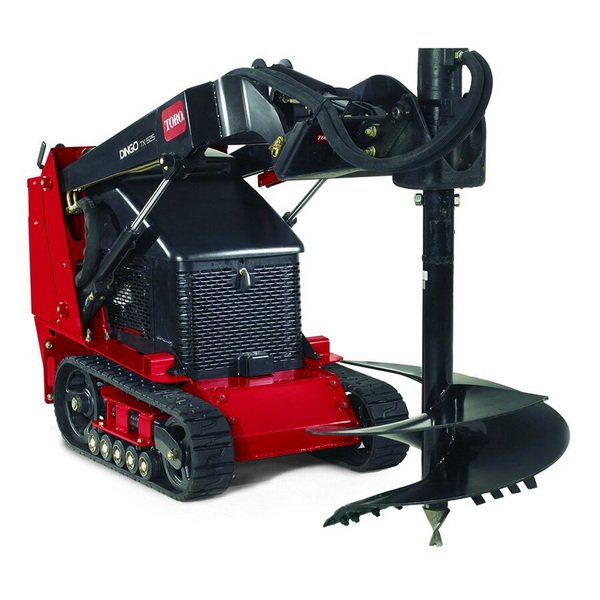
Maximizing auger attachment performance requires more than maintenance knowledge—it demands the right carrier equipment engineered for demanding drilling applications. Certeg specializes in manufacturing excavators, skid steer loaders, track loaders, forklifts, tractors, and crawler carriers designed to deliver optimal hydraulic flow, pressure capacity, and mounting compatibility for professional auger operations across all ground conditions and project requirements.
Our construction machinery provides the robust hydraulic systems, structural integrity, and operational reliability that professional contractors depend on for consistent drilling performance. Whether you’re installing fence posts, drilling foundation piers, planting trees, or conducting utility installations, Certeg equipment delivers the power and precision your auger attachments need to perform at peak efficiency.
Ready to upgrade your drilling capabilities and reduce operational costs? Contact Certeg today to discuss how our construction machinery can optimize your auger attachment performance, extend equipment service life, and enhance productivity across your entire fleet. Our engineering team is available to assess your specific application requirements and recommend the ideal equipment configuration for your drilling operations.
Visit our website or call our equipment specialists now to discover why contractors worldwide trust Certeg for their heavy equipment needs.
Frequently Asked Questions
1. How often should I change the planetary gear oil in my auger attachment?
Change planetary gear oil after the first 500 operating hours or six months, whichever comes first. Subsequent changes should occur every 2,000 hours or 12 months. Always use heavy-duty extreme pressure lubricant API-GL-5 85W-140 specification oil, with capacity approximately 0.90 quarts (0.85 liters). This specialized oil protects gears under the extreme pressures encountered during drilling operations and prevents premature wear.[1]
2. What is the most common cause of premature hydraulic motor failure in auger attachments?
Contaminated hydraulic oil is the primary cause of premature motor failure in auger systems. Even microscopic dirt particles cause accelerated wear on precision-machined motor components, reducing efficiency and causing costly failures not covered by warranty. Prevent contamination by keeping dust caps on all quick-disconnects when not in use, thoroughly cleaning fittings before connection, and following manufacturer filter and oil change schedules precisely.[3][1]
3. Can I use my standard flow skid steer with any auger attachment?
Not all auger attachments are compatible with standard flow hydraulic systems. Standard flow augers typically require 10-20 GPM (gallons per minute), which most compact equipment can provide. However, high-flow augers designed for heavy-duty applications need 20-40 GPM, which only high-flow equipped machines can deliver. Operating a high-flow auger on insufficient hydraulic capacity results in reduced torque, slower drilling, and potential motor damage. Always verify your equipment’s hydraulic specifications match the auger’s requirements before purchasing or operating.[2]
4. Why do my auger teeth wear out so quickly, and how can I extend their service life?
Rapid tooth wear typically results from one or more factors: using incorrect bit design for ground conditions, continuing operation with already-worn teeth, applying excessive downward pressure, or drilling through abrasive materials without proper tooth specifications. Extend tooth life by selecting carbide-tipped teeth for rocky or abrasive conditions, replacing teeth promptly when cutting edges become rounded, applying moderate steady pressure rather than forcing penetration, and cleaning teeth after each use to prevent corrosive material buildup. In extremely cold conditions below -40°C (-40°F), preheat teeth to approximately 150°F (65°C) to prevent thermal shock cracking.[3][1]
5. What safety precautions are most critical when operating auger attachments?
The most critical safety measures include: wearing complete PPE (hard hat, safety glasses, hearing protection, steel-toed boots, protective gloves), implementing proper lockout/tagout procedures before maintenance, relieving all hydraulic pressure before disconnecting lines, never checking for hydraulic leaks with bare hands, removing loose clothing and jewelry, establishing safety perimeters around operating equipment, and using only manufacturer-specified retaining bolts. Additionally, never place body parts where injury could occur if unexpected movement happens, never work under hydraulically-supported equipment, and ensure all personnel receive comprehensive training before operating auger equipment. Hydraulic fluid injection injuries require immediate medical attention regardless of apparent severity.[6][7][1]
Citations:
[1] https://compactequip.com/attachments/maximizing-auger-longevity-with-proper-maintenance/
[2] https://www.skidsteersolutions.com/inside-the-cab-skid-steer-solutions/complete-skid-steer-auger-guide/
[3] https://www.ycequipments.com/blog/excavator-auger-attachments-a-complete-guide-for-beginners896
[4] https://www.spartanequipment.com/blog/7-things-not-to-do-with-your-skid-steer-auger-bits/
[5] https://everstarmachinery.com/blog/auger-drive-attachments-backhoe-excavators-selection/
[6] https://www.tebco.com.au/auger-safety-how-to-stay-safe-while-operating-an-auger/
[7] https://www.arnolditkin.com/blog/work-accidents/auger-accidents-fatalities-the-high-cost-of-lax-/
[8] https://www.osha.gov/sites/default/files/publications/shib041608a.pdf
Hot Tags:Auger Maintenance Tips, Hole Digger Attachments, Skid Steer Augers, Track Loader Auger Attachments, Auger Drive Maintenance, Skid Steer Attachment Care, Earth Auger Service Guide, Heavy Equipment Auger Maintenance, Construction Auger Attachments, Hydraulic Auger Maintenance